

CD's & Books
ARNO RAUNIG
Sopranist, Countertenor
Solo CDs - Opera CDs - Projects with famous musicians

Categories: Albums, CDs
Tags: Baroque music, Castrati arias, Countertenor, male soprano, Mozart, Sopranist, Symphony Orchestra, The Best Castrato Arias.
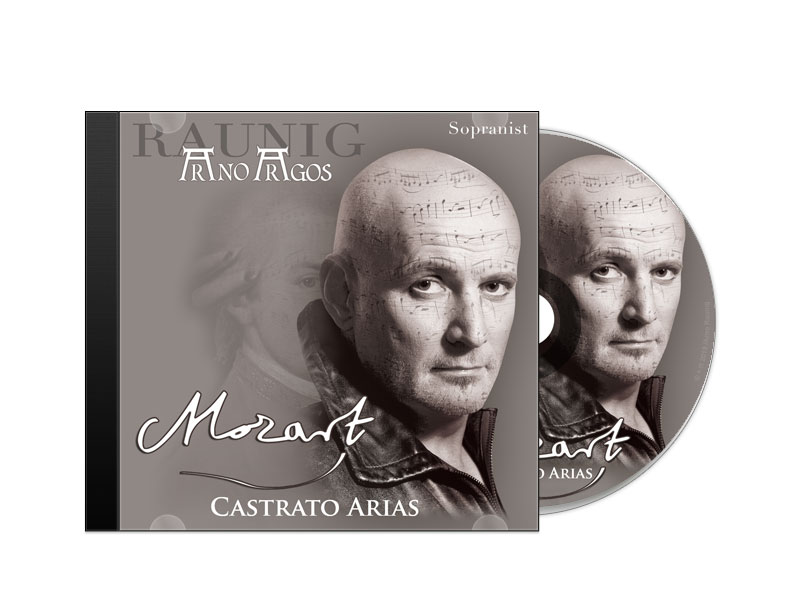
Mozart – Castrato Arias
(Sofia Symphony Orchestra)
Arno Raunig – Sopranist, Countertenor
Paul Weigold – Musical Conductor (Symphony Orchestra Sofia).
11+1 best castrati arias:
Mozart – Castrato Arias. Arno Raunig
Info:
- Le nozze di Figaro: Aria di Cherubino “Voi che sapete”
- La finta giardiniera: Aria di Ramiro “Va pure ad altri in braccio”
- La clemenza di Tito: Aria di Sesto “Parto, parto, ma tu ben mio“
- Mitridate: Aria di Sifare “Parto: Nel gran cimento”
- La clemenza di Tito: Aria di Sesto “Deh, per questo istante solo”
- Idomeneo: Aria di Idamante “Non ho colpa”
- Mitridate: Aria di Sifare “Lungi da te, mio bene”
- La finta giardiniera: Aria di Ramiro “Se l’ augellin sen fugge”
- Idomeneo: Aria di Idamante “Il padre adorato”
- Il re pastore: Aria di Aminta “Aer tranquillo e di sereni”
- Lucio Silla: Aria di Cecilio “Quest’ improvviso tremito”
- Il re pastore: Aria di Aminta Rondeaux “L’ amero, saro costante”
Throughout his complete vocal work up to his penultimate opera (La clemenza di Tito), the castratovoice plays a crucial part. The unmistakable timbre of a male soprano was an essential component of Mozart´s compositorial thinking and sound. Thus his works gain subtelty of nuance and colouring.
The 11 presented arias were composed exclusively for castrato voice. The critics say about Arno Argos Raunig: “the living Farinelli“ with the “virtuosity of a Paganini”, his voice is able to modulate from the highest metal to the softest timbre. From calm and tender passages to the strongest hardest attacks, this voice is an impressive multifarious.
You feel relegated into the time of Belcanto, into the time of the great castrato singers. Let you fall into the world of Arno Argos Raunig and feel the spirit of a new musical world!
11+1 Best arias from castrates, which sung for Mozart:
Pietro Benedetti as Sifare 1770
Venanzio Rauzzini as Cecilio 1772
Tommaso Consoli as Ramiro and Aminta 1775
Vincenzo dal Prato as Idamante 1781
Domenico Bedini as Sextus 1791
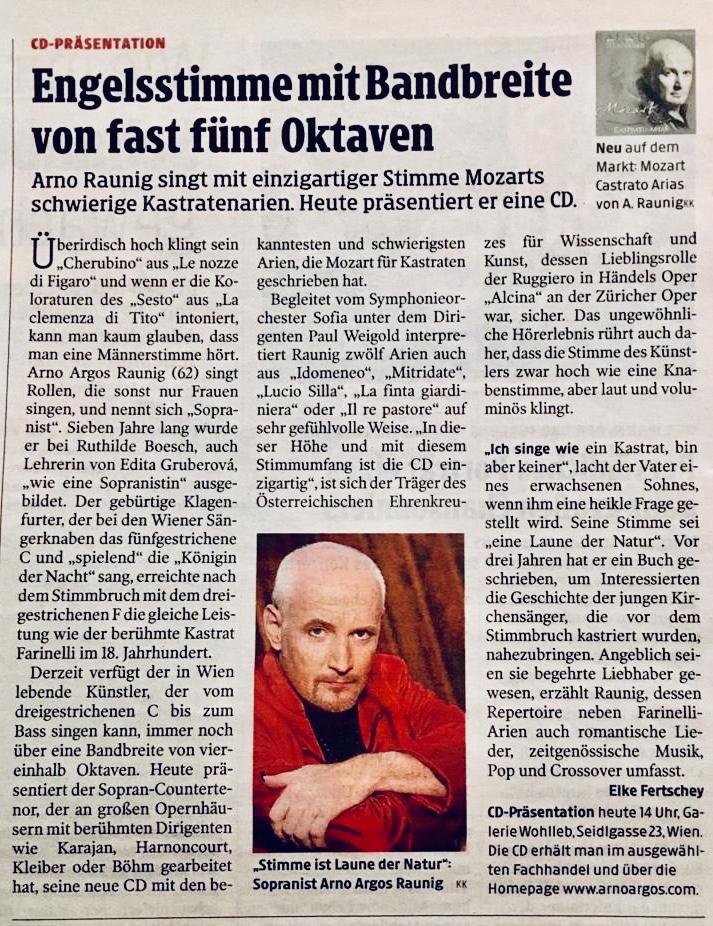
Neue CD: "Mozart - Castrato Arias"
Arno Raunig - Sopranist
Paul Weigold - Dirigent (Symphony Orchestra Sofia).
Arno Raunig stellt seine wohl in der Musikszene einzigartige Mozart Kastratenarien CD vor. Mit dem Symphonie Orchester Sofia unter dem Dirigenten Paul Weigold ist eine CD der bekanntesten und schwierigsten Arien, die Mozart für Kastraten schrieb, entstanden.
Komponiert für die Gesangsstars des Barock, wiederbelebt durch eine geniale Orchesterbegleitung, interpretiert Arno Argos Raunig Arien aus Titus, Idomeneo, Mitridate, Lucio Silla, La finta giardiniera oder Il re pastore in gefühlvoller und ergreifender Weise.
Ein Meisterwerk.
Info: Farinelli Company (VK)
This Cherubino Aria "Voi che sapete" the only "Hosenrolle" (Breeches role) on the New Mozart-CD as a special bonus-track.
Together with Symphony Orchestra one of the Best Mozart interpret Arno Argos Raunig, with extreme voice range, recorded the most exiting Castrato Arias from Mozart. With this bonus track we want to make you more and more hungry for to listen to the nearest interpretation of a castrato voice in the World.
Symphony Orchestra Sofia, Dirigent - Paul Weigold
Die am 29.9. 2019 von der Farinelli Company in der Galerie Wohlleb präsentierte CD mit einer live-Darbietung einzelner Nummern daraus war so vergnüglich, wie es die Anhörung der 12 Mozart-Arien ist.
Was gewiss nicht alle Mozart-Liebhaber wissen, darüber klärt uns die Beilage zur CD auf: „Durch sein komplettes Vokalwerk bis hin zu seiner letzten Oper („La Clemenza di Tito“) spielt die Kastratenstimme eine entscheidende Rolle. Das unverwechselbare Timbre eines Kastraten war ein wesentlicher Bestandteil des Mozartschen kompositorischen Denkens und Klangbildes.“ 11 der hier präsentierten Arien sind für Kastratenstimmen komponiert und es werden sogar die Namen der jeweiligen Uraufführungssänger genannt, darunter Vincenzo dal Prato als Idamante 1781 und Domenico Bedini als Sextus 1791.
Wie ich gerade erst beim „Titus“ im Theater a.d.Wien (siehe S. 9) wieder feststellen konnte, gewinnt der Charakter des seelisch zerrissenen Sesto an Glaubwürdigkeit, wenn eine Männerstimme seiner leidvollen Situation Ausdruck verleiht. Ebenso gewinnt der Idamante als Figur durch einen so trefflichen „Counter“. Arno Raunigs seit seinen Sängerknabentagen immer besonders hoch gelagerte Stimme eignet sich für Mozart besonders, weil sie auch seinen belkantesken Anforderugen entspricht, geschmeidig, ungekünstelt virtuos und in allen Lagen sattelfest ist. Wir hören neben den schon genannten je 2 Arien aus „La finta giardiniera“, „Mitridate“, „Il re pastore“ und die Arie des Cecilio „Quest‘ improvviso tremito“ aus „Lucia Silla“. Dazu hat sich Raunig einen besonderen Spaß erlaubt: Mit dem von Mozart definitiv für einen Mezzo geschriebenen „Voi che sapete“ aus „Figaros Hochzeit“, lässt er einen Cherubino hören, der in seinem jugendlichen Liebesverlangen diese Kantilene wie in einem einzigen Atemzug geradezu betörend belcantesk zum Besten gibt. Auf die Opernbühne wird man ihn dazu ja leider nicht einladen. Dass ihn auch der Rosenkavalier gereizt hätte, hat der Sänger mehrmals geäußert.
Das bulgarische Orchester unter Paul Weigold begleitet bzw. trägt die Singstimme ganz wunderbar und darüber hinaus kommunizieren sie lebhaft miteinander, sodass in allen Musiknummern lebendige Musikdramatik vermittelt wird.
(Aufgenommen: Bulgarian National Radio, studio 1. - Kontakt: www.arnoraunig.com)
Sieglinde Pfabigan
«der neue Merker» 11/2019

Categories: Albums, CDs
Tags: Baroque music, Broschi Riccardo, Castrati arias, Countertenor, Farinelli, Giacomelli, Hasse, piano, Porpora Nicolo, Sopranist, The Best Castrato Arias.
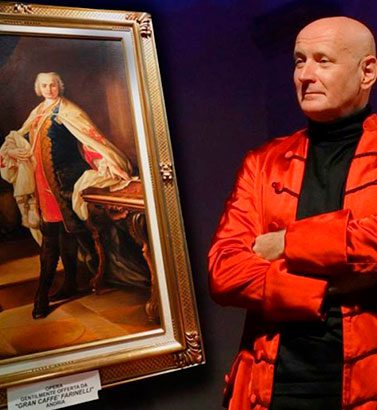
Farinelli Arien
Album 1998, (piano)
Arno Raunig – Sopranist
Paul Weigold – piano
With Farinelli’s most famous arias by R.Broschi, Farinelli, Porpora, Hasse, Giacomelli.
9 Best Castrati Arias.
Info:
- Broschi Riccardo ”Ombra fedele anchio” Arie des Dario aus der Oper ”Idaspe”
- Giacomelli Geminiano ”Mancare Dio mi sento” Arie des Farnaspe aus der Oper ”Adriano in Siria”
- Porpora Nicola ”Dall'amor piu sventurato” Arie des Orfeo aus dem Pasticcio ”Orfeo”
- Porpora Nicola ”Alto Giove” Arie des Acis aus der Oper ”Polifemo”
- Farinelli Carlo Broschi ”Al dolor che vo sfogando”
- Hasse Johann Adolph ”Per questo dolce amplesso” Arie des Arbace aus der Oper ”Artaserse”
- Farinelli Carlo Broschi ”Che chiede? Che brami?” Arie der Nice, Einlage zu Nicolo Confortos ”La Danza”
- Hasse Johann Adolph ”Pallido il sole” Arie des Artabano aus der Oper ”Artaserse”
- Broschi Riccardo ”Son qual nave ch'agitata” Arie des Arbace, Einlage zu Hasses Oper ”Artaserse”
Categories: Albums, CDs
Tags: Baroque music, Broschi Riccardo, Castrati arias, Countertenor, Farinelli, Giacomelli, Hasse, piano, Porpora Nicolo, Sopranist, The Best Castrato Arias.
Farinelli Arien
Album 1998, (piano)
Arno Raunig – Sopranist
Paul Weigold – piano
With Farinelli’s most famous arias by R.Broschi, Farinelli, Porpora, Hasse, Giacomelli.
9 Best Castrati Arias.
Info:
- Broschi Riccardo ”Ombra fedele anchio” Arie des Dario aus der Oper ”Idaspe”
- Giacomelli Geminiano ”Mancare Dio mi sento” Arie des Farnaspe aus der Oper ”Adriano in Siria”
- Porpora Nicola ”Dall'amor piu sventurato” Arie des Orfeo aus dem Pasticcio ”Orfeo”
- Porpora Nicola ”Alto Giove” Arie des Acis aus der Oper ”Polifemo”
- Farinelli Carlo Broschi ”Al dolor che vo sfogando”
- Hasse Johann Adolph ”Per questo dolce amplesso” Arie des Arbace aus der Oper ”Artaserse”
- Farinelli Carlo Broschi ”Che chiede? Che brami?” Arie der Nice, Einlage zu Nicolo Confortos ”La Danza”
- Hasse Johann Adolph ”Pallido il sole” Arie des Artabano aus der Oper ”Artaserse”
- Broschi Riccardo ”Son qual nave ch'agitata” Arie des Arbace, Einlage zu Hasses Oper ”Artaserse”
Categories: Albums, CDs
Tags: Baroque music, Castrati arias, Countertenor, ensemble, Fux, Gluck, Handel, Hasse, male soprano, Mozart, Pleyel, Rossini, Sopranist, Stradella
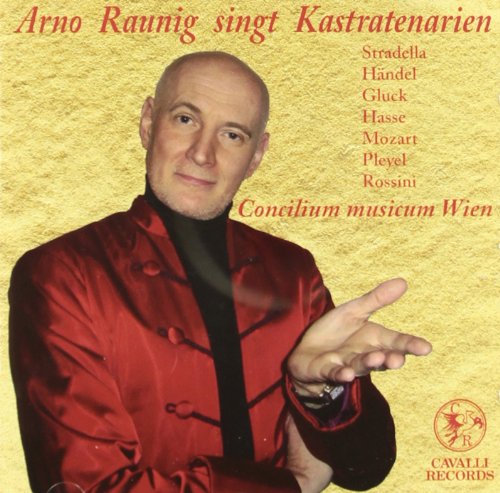
Arno Raunig singt Kastratenarien
Album 2006, (with ensemble)*
(*Back to the Past. Castrato Arias - Reprint from Arno Raunig singt Kastratenarien, 2006)
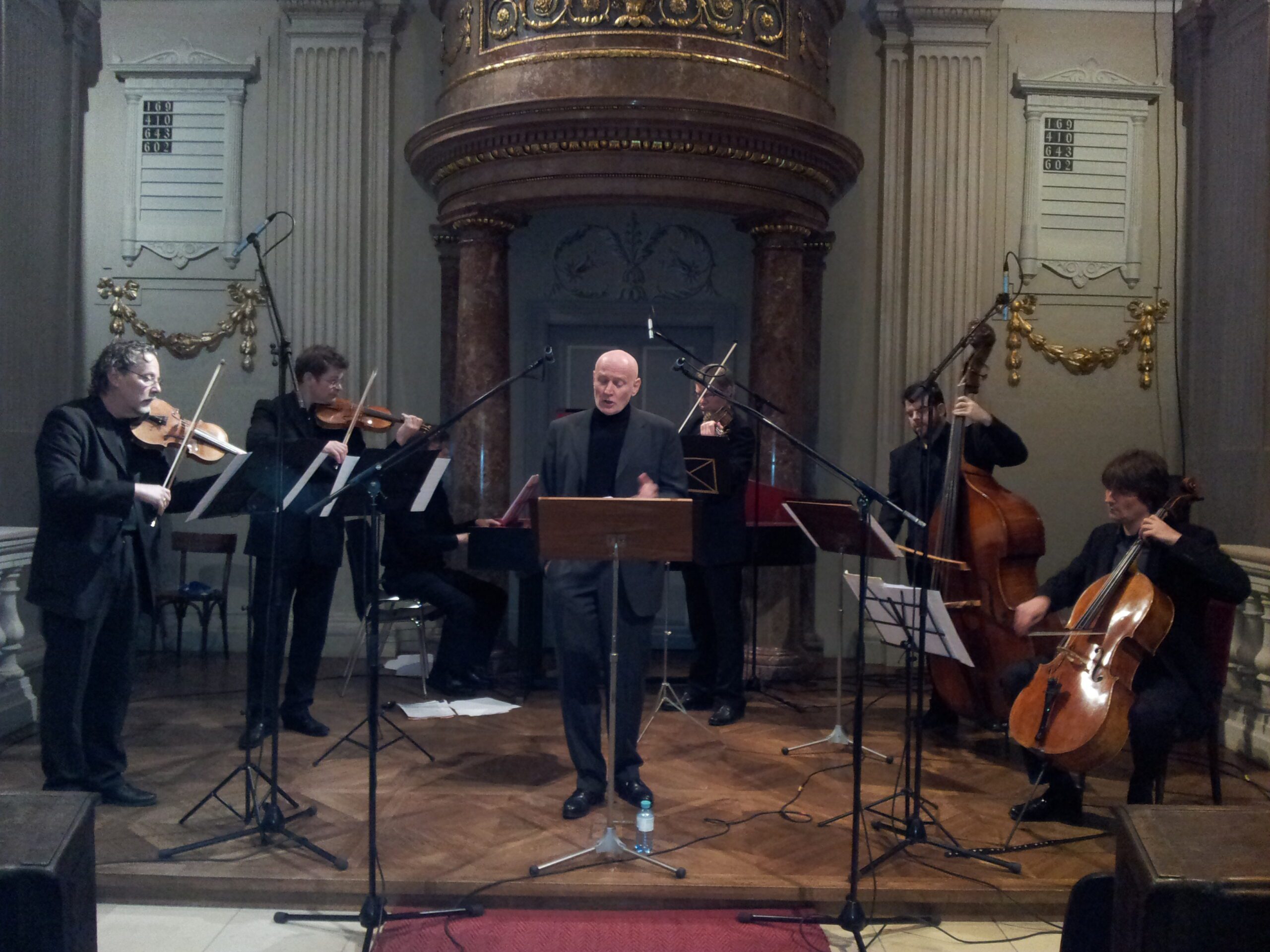
Concilium Musicum Wien on original instruments
Arno Raunig - Sopranist
Concilium Musicum Wien:
Christoph Angerer, violin
Astrid Brausperger, violin
Christian Heller, viola
Günter Schagerl, violoncello
Gustavo D’Ippolito, double bass
Matthias Krampe, harpsichord and pianoforte
Castrato Arias: A. Stradella, J.J. Fux, Handel, Gluck, Hasse, Mozart, Pleyel, Rossini.
Recording: Studio Cavalli Records (Bamberg, Germany)
New edition: Caffarelli-CD 2016
19 Arien.
Info:
- Alessandro Stradella (1642-1682)
“Pietà signore”, Aria di chiesa (Preghiera) - Johann Joseph Fux (1660-1741)
Ouverture C-Dur aus “Concentus musico-instrumentalis” für Streicher und Basso continuo: Grave – Allegro – Grave - Georg Friedrich Händel (1685-1759)
“Frondi tenere“, Rezitativ und - Georg Friedrich Händel (1685-1759)
“Ombra mai fu“, Arie des Xerxes aus „Xerxes“ - Georg Friedrich Händel (1685-1759)
“Lascia ch´io pianga“, Arie der Almirena aus „Rinaldo“ - Georg Friedrich Händel (1685-1759)
”Verdi prati”, Arie des Ruggiero aus “Alcina” - Johann Josef Fux (1660-1741)
Aus der Ouverture C-Dur: Aire - Christoph Willibald Gluck (1714-1787)
”Che farò senza Euridice”, Arie des Orfeo aus “ Orfeo ed Euridice” - Johann Joseph Fux (1660-1741)
Aus der Ouverture C-Dur: Menuet - Johann Adolph Hasse (1699-1783)
”Eja stellae”, Arie - Johann Adolph Hasse (1699-1783)
”Torrente cresciuto”, Arie des Medarse aus “Siroe, re di Persia” - Johann Joseph Fux (1660-1741)
Aus der Ouverture C-Dur: Marche des Ecurieus - Wolfgang Amadé Mozart (1756-1791)
”Se l´augellin sen fugge”, Arie des Ramiro aus “La finta giardiniera“ KV 196 - Wolfgang Amadé Mozart (1756-1791)
”Ma qual virtù”, Arie des Cabri aus “La Betulia Liberata” KV 118 - Wolfgang Amadé Mozart (1756-1791)
”Parto: Nel gran cimento”, Arie des Sifare aus “Mitridate, Ré di Ponto” KV 87 - Johann Joseph Fux (1660-1741)
Aus der Ouverture C-Dur: Aire de Volage - Ignaz Joseph Pleyel (1757-1831)
”Se ti consiglia amore”, Arie des Ulisse aus “Ifigenia in Aulis” - Johann Joseph Fux (1660-1741)
Aus der Ouverture C-Dur: L´inegalité - Gioachino Rossini (1792-1868)
”Perché mai”, Arie des Arsace aus “Aureliano in Palmyra”
Handel's aria of Xerxes "Ombra mai fu", composed for the star castrato Caffarelli (Gaetano Majorano, 1710-1783); the aria of Ruggiero from Handel's Alcina, composed for the soprano Cusanino (Giovanni Carestini, 1705-1760); an opera highlight by Gluck: "Che faro senza Euridice" for the probably wildest, sword-wielding daredevil among the castratos, the alto Gaetano Guadagni (1725-1806); or the Mozartian bravura aria of Sifare from the opera Mitridate, written for the soprano Sartorino (Pietro Benedetti). We have selected two arias by Hasse as absolute rarities: “Torrente cresciuto”, the aria of Medarse from Siroe, with which Caffarelli was on stage as a direct competitor to Farinelli (as Siroe), and the aria “Eja stellae”! And last but not least, we must not forget the wonderful aria of Ulisse from Pleyel’s “Ifigenia in Aulis”.
Mozart is particularly dear to my heart and I would like to recommend the aria of the knight Ramiro from “La finta giardiniero”, sung at the premiere in 1775 by the soprano Tommaso Consoli (1753-1810), and the aria of Cabri “Ma qual virtu” from the Azione Sacra “La Betulia liberata”. For the last of the great castrato singers, Giovanni Battista Velluti (1781-1861), Rossini wrote the role of Arsace in the opera “Aurelian in Palmyra”, whose aria “Perché mai” is one of my favourite arias, as well as Stradella’s “Pieta signore” and Handel’s “Lascia ch´io pianga”!
The mainly handwritten sheet music used often comes from the archives of monasteries and other libraries. The C. m. W., which performs in a wide variety of formations, gives concerts at home and abroad, and also makes radio and television recordings and numerous sound recordings.
HONORS
Mozart Interpretation Prize Flute Clock for the GA of the church sonatas by W. A. Mozart from the Mozartgemeinde Wien (Mozartgemeinde) and the City of Vienna.
Mozart Wolfgang Amadeus
Arno Raunig - Sopranist, countertenor, male-soprano
Maria Hilf Kirche - Weihnachtskonzert
Arno Raunig, Sopranist, with orchestra
Album "Back To The Past"
“La Betulia Liberata” - composed in March to July 1771 when Mozart was 15 years old, K. 118 (74c) is a 140-minute "azione sacra" on a text by Metastasio tracing the story of Judith and Holofernes from the biblical Book of Judith.

Categories: Albums, CDs
Tags: Baroque music, Castrati arias, Countertenor, ensemble, Fux, Gluck, Handel, Hasse, male soprano, Mozart, Pleyel, Rossini, Sopranist, Stradella
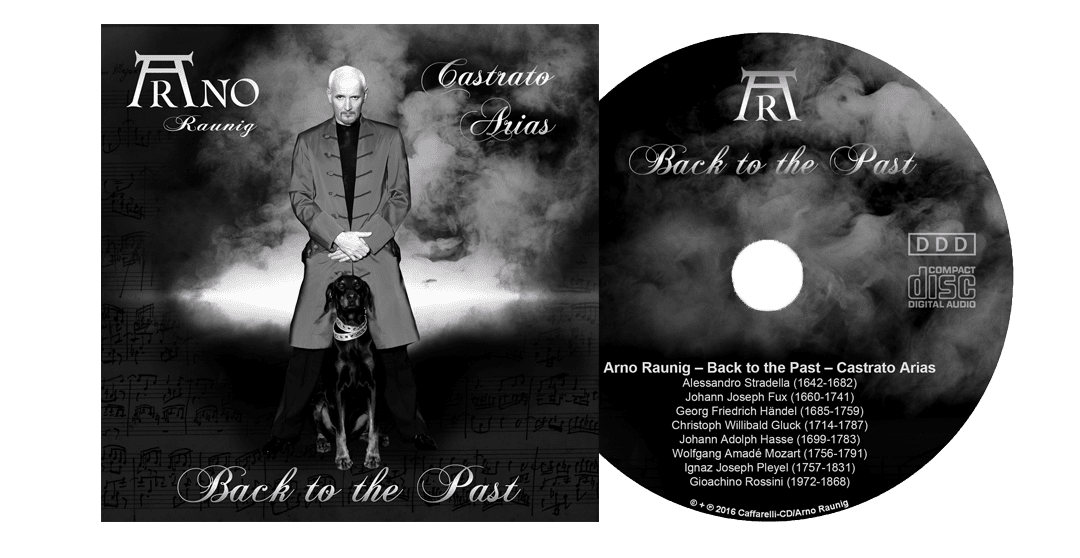
Back to the Past.
Castrato Arias
Album 2016, (with ensemble)
Reprint from Arno Raunig singt Kastratenarien, 2006
*Concilium Musicum Wien on original instruments*
Arno Raunig - Sopranist
Concilium Musicum Wien:
Christoph Angerer, violin
Astrid Brausperger, violin
Christian Heller, viola
Günter Schagerl, violoncello
Gustavo D’Ippolito, double bass
Matthias Krampe, harpsichord and pianoforte
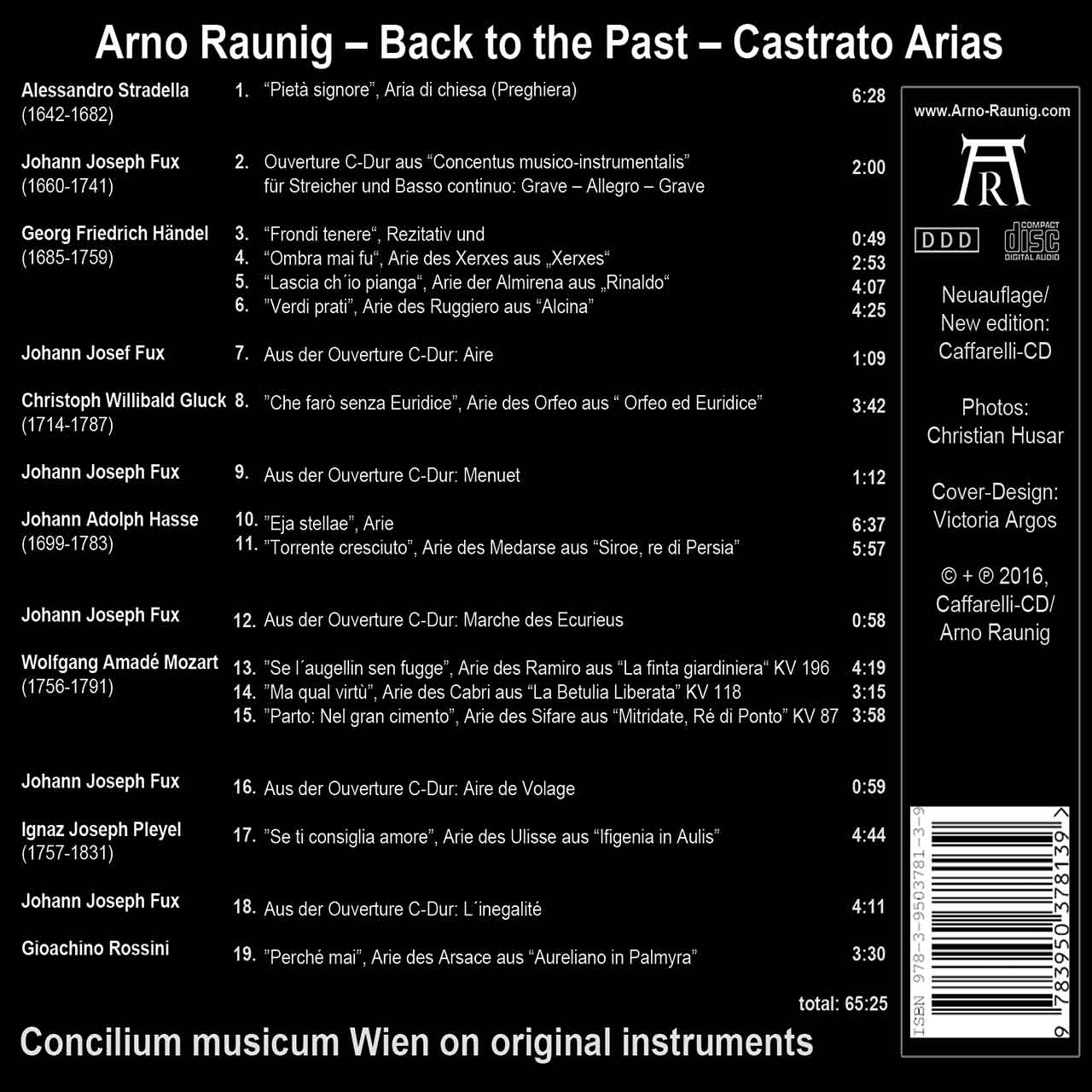
Castrato Arias: A. Stradella, J.J. Fux, Handel, Gluck, Hasse, Mozart, Pleyel, Rossini.
Recording: Studio Cavalli Records (Bamberg, Germany)
New edition: Caffarelli-CD 2016
19 Arien.
Info:
- Alessandro Stradella (1642-1682)
“Pietà signore”, Aria di chiesa (Preghiera) - Johann Joseph Fux (1660-1741)
Ouverture C-Dur aus “Concentus musico-instrumentalis” für Streicher und Basso continuo: Grave – Allegro – Grave - Georg Friedrich Händel (1685-1759)
“Frondi tenere“, Rezitativ und - Georg Friedrich Händel (1685-1759)
“Ombra mai fu“, Arie des Xerxes aus „Xerxes“ - Georg Friedrich Händel (1685-1759)
“Lascia ch´io pianga“, Arie der Almirena aus „Rinaldo“ - Georg Friedrich Händel (1685-1759)
”Verdi prati”, Arie des Ruggiero aus “Alcina” - Johann Josef Fux (1660-1741)
Aus der Ouverture C-Dur: Aire - Christoph Willibald Gluck (1714-1787)
”Che farò senza Euridice”, Arie des Orfeo aus “ Orfeo ed Euridice” - Johann Joseph Fux (1660-1741)
Aus der Ouverture C-Dur: Menuet - Johann Adolph Hasse (1699-1783)
”Eja stellae”, Arie - Johann Adolph Hasse (1699-1783)
”Torrente cresciuto”, Arie des Medarse aus “Siroe, re di Persia” - Johann Joseph Fux (1660-1741)
Aus der Ouverture C-Dur: Marche des Ecurieus - Wolfgang Amadé Mozart (1756-1791)
”Se l´augellin sen fugge”, Arie des Ramiro aus “La finta giardiniera“ KV 196 - Wolfgang Amadé Mozart (1756-1791)
”Ma qual virtù”, Arie des Cabri aus “La Betulia Liberata” KV 118 - Wolfgang Amadé Mozart (1756-1791)
”Parto: Nel gran cimento”, Arie des Sifare aus “Mitridate, Ré di Ponto” KV 87 - Johann Joseph Fux (1660-1741)
Aus der Ouverture C-Dur: Aire de Volage - Ignaz Joseph Pleyel (1757-1831)
”Se ti consiglia amore”, Arie des Ulisse aus “Ifigenia in Aulis” - Johann Joseph Fux (1660-1741)
Aus der Ouverture C-Dur: L´inegalité - Gioachino Rossini (1792-1868)
”Perché mai”, Arie des Arsace aus “Aureliano in Palmyra”
Handel's aria of Xerxes "Ombra mai fu", composed for the star castrato Caffarelli (Gaetano Majorano, 1710-1783); the aria of Ruggiero from Handel's Alcina, composed for the soprano Cusanino (Giovanni Carestini, 1705-1760); an opera highlight by Gluck: "Che faro senza Euridice" for the probably wildest, sword-wielding daredevil among the castratos, the alto Gaetano Guadagni (1725-1806); or the Mozartian bravura aria of Sifare from the opera Mitridate, written for the soprano Sartorino (Pietro Benedetti). We have selected two arias by Hasse as absolute rarities: “Torrente cresciuto”, the aria of Medarse from Siroe, with which Caffarelli was on stage as a direct competitor to Farinelli (as Siroe), and the aria “Eja stellae”! And last but not least, we must not forget the wonderful aria of Ulisse from Pleyel’s “Ifigenia in Aulis”.
Mozart is particularly dear to my heart and I would like to recommend the aria of the knight Ramiro from “La finta giardiniero”, sung at the premiere in 1775 by the soprano Tommaso Consoli (1753-1810), and the aria of Cabri “Ma qual virtu” from the Azione Sacra “La Betulia liberata”. For the last of the great castrato singers, Giovanni Battista Velluti (1781-1861), Rossini wrote the role of Arsace in the opera “Aurelian in Palmyra”, whose aria “Perché mai” is one of my favourite arias, as well as Stradella’s “Pieta signore” and Handel’s “Lascia ch´io pianga”!
The mainly handwritten sheet music used often comes from the archives of monasteries and other libraries. The C. m. W., which performs in a wide variety of formations, gives concerts at home and abroad, and also makes radio and television recordings and numerous sound recordings.
HONORS
Mozart Interpretation Prize Flute Clock for the GA of the church sonatas by W. A. Mozart from the Mozartgemeinde Wien (Mozartgemeinde) and the City of Vienna.
Mozart Wolfgang Amadeus
Arno Raunig - Sopranist, countertenor, male-soprano
Maria Hilf Kirche - Weihnachtskonzert
Arno Raunig, Sopranist, with orchestra
Album "Back To The Past"
“La Betulia Liberata” - composed in March to July 1771 when Mozart was 15 years old, K. 118 (74c) is a 140-minute "azione sacra" on a text by Metastasio tracing the story of Judith and Holofernes from the biblical Book of Judith.

Categories: Albums, CDs
Tags: Ariosti Attilio, Baroque music, Broschi Riccardo, Castrati arias, Countertenor, Farinelli, Handel, Hasse, male soprano, piano, Porpora Nicolo, Sopranist.
Farinelli vs Händel
Limited edition (piano)
1734-2018
*Farinelli versus Handel
*Фаринелли против Генделя
*ファリネリ対ヘンデル
*Farinelli contro Handel
*Farinelli contre Handel
Arno Raunig – Sopranist
Paul Weigold, Matthias Krampe, Midori Ortner – piano
8 arias.
Info:
- Broschi Riccardo Einlagearie des Arbace zu Hasses Oper Artaserse “Son qual nave”
- Hasse Johann Adolph Arie des Arbace aus der Oper Artaserse “Per Questo dolce amplesso”
- Porpora Nicolo Arie des Acis aus der Oper Polifemo “Alto Giove”
- Ariosti Attilio Einlagearie des Arbace zu Hasses Oper Artaserse “Fortunate passate mie pene”
- Händel Georg Friedrich Arie des Ariodante aus der Oper Ariodante „Scherza infida“
- Händel Georg Friedrich Arie des Ruggiero aus der Oper Alcina „Mi lusinga“
- Händel Georg Friedrich Arie des Ruggiero aus der Oper Alcina “Verdi prati”
- Händel Georg Friedrich Arie des Ruggiero aus der Oper Alcina “Sta nell Ircana”
You can decide: “Who should win the opera competition of 1734-35 today?”
London, the music metropolis in the 18th century.
George Frideric Handel, the great composer, opera impresario, the most influential musician of his time, fights against the aristocratic opera, represented by Nicola Porpora and its protagonist Carlo Broschi, known as Farinelli!
A comparison of Handel’s castrato arias against the arias of Porpora, Ariosti, Hasse and Riccardo Broschi, sung by the star of the castrato singers – Farinelli. A kind of proxy war of the aristocracy (aristocratic opera) against King George II and his royal opera.
https://onlinemerker.com/wien-mariahilferkirche-farinelli-versus-haendel-im-dienste-beider-arno-argos-raunig/
https://onlinemerker.com/wien-mariahilferkirche-farinelli-versus-haendel-im-dienste-beider-arno-argos-raunig/
For radio Stephansdom (german).

Categories: Albums, CDs
Tags: Ave Maria, Bach, Baroque music, Caccini, Contemporary music, Countertenor, Mozart, Organ, Romantic music, Sacred music, Schubert, Sopranist, Vavilov, Verdi.
AVE MARIA 22
Album 2008, (with Organ)
Arno Raunig – Sopranist
Matthias Krampe – Organ
Recorded at the University Church of Vienna (Universitätskirche Wien)
in 2007.
Selection of 22 Ave Maria compositions: Charles Gounod & J.S. Bach, Giulio Caccini (Vladimir Vavilov), A. Diabelli, W.A. Mozart, Luigi Cherubini, G. Verdi, Jacques Arcadelt, Luigi Luzzi, M. Battistini, Francesco Tosti, Ruggero Leoncavallo, J. Bruckner, F. Liszt, A. Dvorak, J. Rheinberger, F. Schreker, A. Franck, G. Faure, Saint-Saëns, F. Schubert, R. Weinwurm
Info:
- Ave Maria - Gounod Charles F./Bach J.S.
- Ave Maria - Caccini Giulio (composed by Vladimir Vavilov around 1970)
- Ave Maria - Diabelli Anton
- Ave Maria - Mozart Wolfgang Amadeus
- Ave Maria - Cherubini Luigi Carlo Salvatore Zanobi Maria
- Ave Maria - Verdi Giuseppe
- Ave Maria - Arcadelt Jacques
- Ave Maria - Luzzi Luigi
- Ave Maria - Battistini Mattia
- Ave Maria - Tosti Francesco Paolo
- Ave Maria - Anonymus
- Ave Maria - Leoncavallo Rugg(i)ero
- Ave Maria - Liszt Franz
- Ave Maria - Bruckner Joseph Anton
- Ave Maria - Dvorak Antonin
- Ave Maria - Rheinberger Joseph Gabriel
- Ave Maria - Schreker Franz
- Ave Maria - Franck Auguste
- Ave Maria - Faure Gabriel Urbain
- Ave Maria - Saint-Saëns Charles-Camille
- Ave Maria - Schubert Franz
- Ave Maria - Weinwurm Rudolf
Ave Maria, Franz Schubert (organ)
©+℗ Arno Raunig
超级男男性女高音歌手音 人类嗓音的极限
世界最高音──世界上最誇張的廣告
奧地利歌手罗斯高音男歌手
日本紹介の超高音
「感動・奇跡の声」

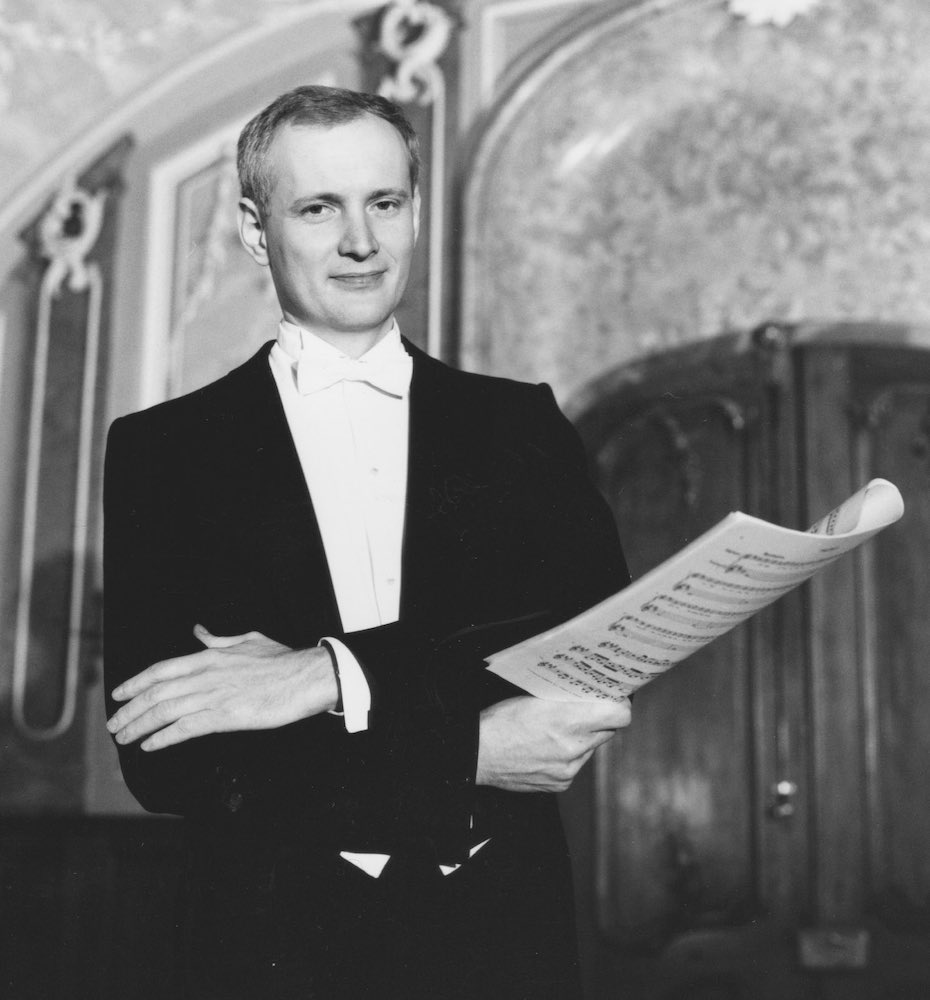
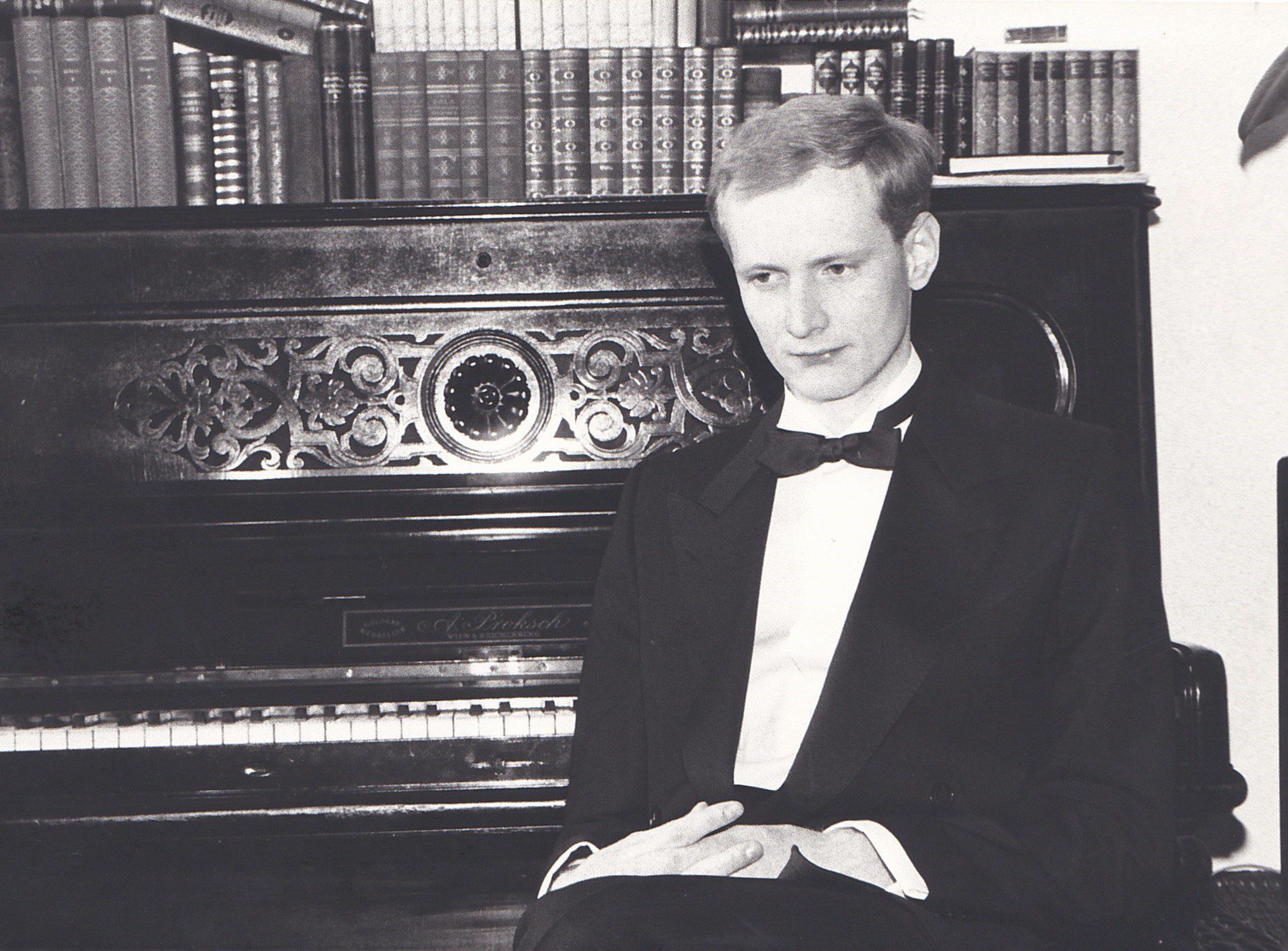
Categories: Albums, CDs
Tags: Baroque music, Castrati arias, Countertenor, ensemble, male soprano, Mozart, Salieri, Sopranist.
Mozart - Salieri
Album 1990, (with ensemble)
Arno Raunig — Countertenor, Sopranist
Amadeus Ensemble Wien Dirigent: Walter Kobera
Motetten und Arien Divertimento DIV 31013.
Info:
- Mozart Wolfgang Amadeus
”Exsultate, jubilate” motette KV. 165 - Mozart Wolfgang Amadeus
”Il padre adorato” Arie des Idamante aus ”Idomeneo” KV. 366 - Mozart Wolfgang Amadeus
”Cara, Iontano ancora” Arie des Ascanio aus ”Ascanio in Alba” KV.111 - Mozart Wolfgang Amadeus
”Parto, ma tu ben mio” Arie des Sextus aus ”La clemenza di Tito” KV.621 - Salieri Antonio
”Fermat Thyrannus” Motette - Salieri Antonio
”Perdermi ?” Arie der Aspasia aus ”Axur, Re d'ormus” - Salieri Antonio
”Lungi da te” Arie des Rinaldo aus ”Armida” - Salieri Antonio
”A fulminas m'invita” Szene des Hannibal aus ”Anibale”
Mozart Wolfgang Amadeus
Arno Raunig, sopranist, countertenor, male-soprano
Maria Hilf Kirche - Weihnachtskonzert
超级男男性女高音歌手音 人类嗓音的极限
世界最高音──世界上最誇張的廣告
奧地利歌手罗斯高音男歌手
日本紹介の超高音
「感動・奇跡の声」
MusicWeb International, February 2000
gramophone.co.uk
An interesting disc in that it pairs the so-called 'rivals' Mozart and Salieri in a genre where they are little known, that is the castrato aria. Arno Raunig is a suitably schooled interpreter and he gives well drilled performances of all works on offer with sympathetic accompaniment by Kobera and his Viennese orchestra.
'Il padre adoratao' from 'Idamante' is certainly rare Mozart and one cannot help but admire the vocal syncopations that permeate Raunig's singing of the proceedings. On the contrary, Sextus' famous aria from 'La Clemenza di Tito' is slightly too thin for my liking although one cannot be so preposterous as to fault such a difficult piece when it is sung with musicality and feeling. The disc follows a similar pattern with three arias and a motet by each composer.
One cannot discount Salieri, especially in the beautiful 'Perdermi' from 'Aspasia' which contains much wanton passion and heinous thoughts as is the inflamingly erotic 'Lungi da te' from 'Armida', surely this opera deserves a revival?
Of the two motets, I refrain to single out my favourite although it will suffice to say that 'Fremat Thyrannus' was infinitely more welcome than the dreary 'Exsultate Jubilate'. Campion secure a somewhat bassy recording in a fine acoustic and the booklet contains copious notes on the 'sopranist' tradition together with an explanation of this somewhat controversial term. Worth investigating.
Gerald Fenech

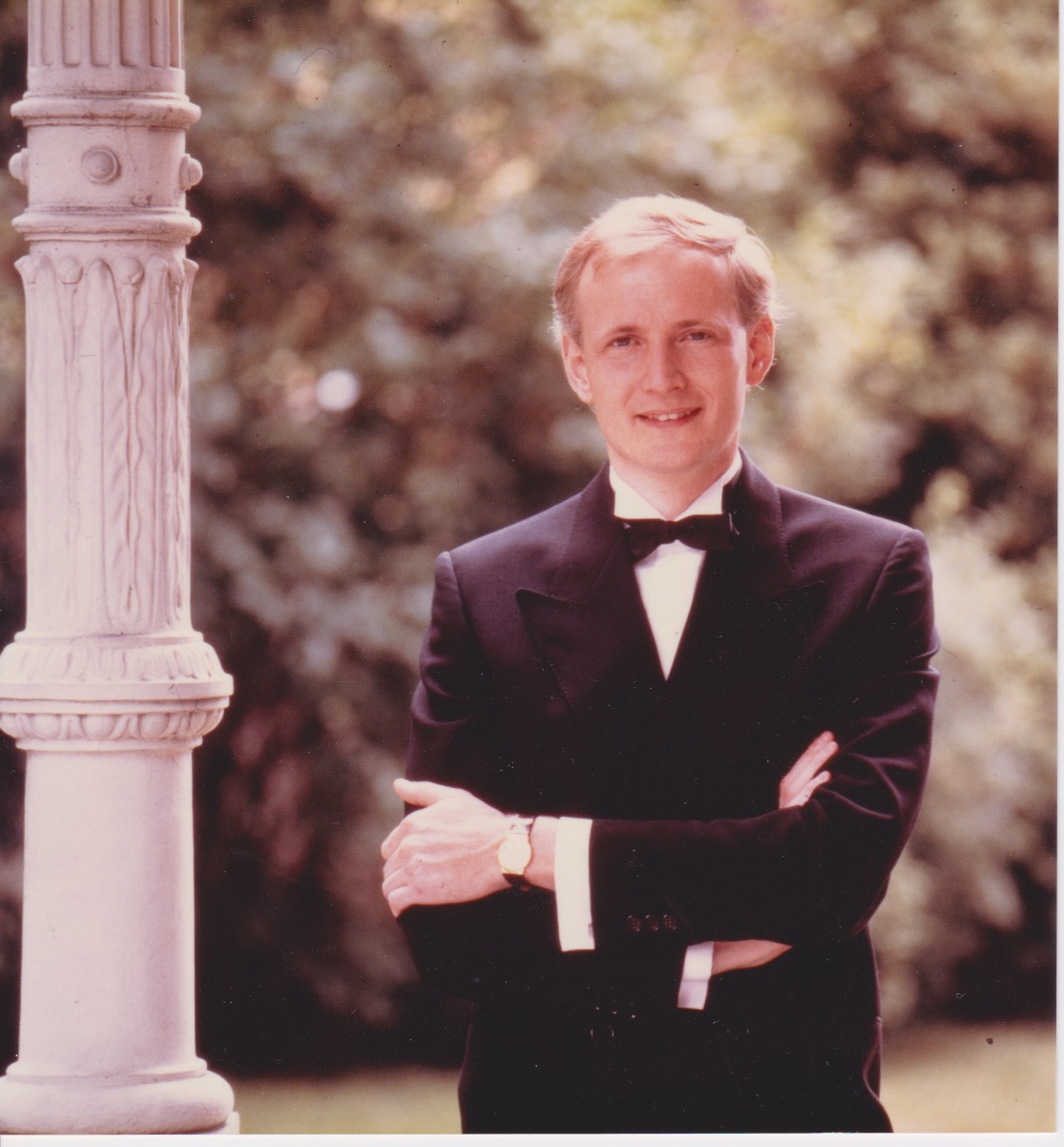

Categories: Albums, CDs
Tags: Baroque music, Caccini, Castrati arias, Countertenor, Frescobaldi Giacomelli, Handel, Haydn, Leo Leonardo, male soprano, Monteverdi, Mozart, piano, Porpora Nicolo, Sopranist.
Arno Raunig - Sopranist
Album 1993, (piano)
Arno Raunig – Sopranist
Markus Vorzellner – piano
Info:
- Caccini Giulio
”Amarilli” - Pisiello Giovanni
”Nel cor piu non mi sento” - Caldara Antonio
”Sebben, Crudele” - Scarlatti Alessandro
”Gia il sole dal Gange” - Porpora Nicolo
”Alto Giove”(Arie des Acis aus der Oper ”Polifemo”) - Giacomelli Geminiano
”Se non ti Moro a lato” (Arie des Farnaspe aus der Oper ”Adriano in Siria”) - Leo Leonardo
”Son qual nave in ria procella” (Arie des Decio aus der Oper ”Zenobia in Palmira”) - Monteverdi Claudio
”Rosa del ciel” (Scene des Orfeo aus der Oper ”L'Orfeo”) - Frescobaldi Girolamo
”Se l'aura spira tutta vezzosa” - Mozart Wolfgang Amadeus
”Aer tranquillo e di sereni” (Arie des Aminta aus der Oper ”Il re pastore”) - Gluck Christoph Willibald
”Le belle imagini” (Arie des Paris aus der Oper ”Paris und Helena”) - Haydn Joseph
”Amore nel mio petto” (Arie des Volpino aus der Oper ”Der Apotheker”) - Händel Georg Friedrich
”Crude furie Degl'Orridi Abissi” (Arie des Xerxes aus der Oper Xerxes”)
■ Der Sopranist Arno Raunig singt Kastratenstücke
25.4.1996
Bald steht er wieder in Schnittkes moderner Faust–Version auf Hamburgs Opernbühne, am Dienstag aber wandte er sich den Ursprüngen hohen Männergesangs zu: der Sopranist Arno Raunig. Bei seinem „Werkstattkonzert“ in der kleinen Musikhalle stand der aus Kärnten stammende Sänger zwischen Liedern und Arien des Barock Opernsprecherin Susanne Stähr charmant Rede und Antwort zum Phänomen seines Singens. Sein Handwerk lernte er unter anderem bei Ruthilde Boesch und Elisabeth Schwarzkopf, und eine „fundierte Gesangsausbildung“ sei das ganze Geheimnis seiner Stimme. Die aber ist einzigartig. Die Antwort auf die in seiner ländlichen Heimat manchmal gestellte Frage: „Was macht der da oben, warum singt der so hoch?“ lieferte Raunig mit seinen musikalischen Interpretationen. Den klaren, elektrisierenden Spitzentönen schließt sich eine fundierte Mittellage an, fast bruchlos führt die Tiefe bis in den Tenorbereich. Nach ruhigeren Liedern von Caldara und Paisiello wagte sich Raunig an Bavourarien, unter anderem von Farinelli, Händel und Mozart, und präsentierte seinen Stimmumfang von dreieinhalb Oktaven in blendender Verfassung. Dank vorbildlicher Atemtechnik und natürlichem Vibrato erlebte man mit ihm eine interessante Alternative zum allseits bekannten Jochen Kowalski. Neben Schlagern wie der Orfeo–Arie von Gluck, waren auch Raritäten zu hören, so zum Beispiel Alto Giove aus Nicolo Porporas Polifermo. Leider nahm Pianist Markus Vorzellner die Läufe und Triller der Musik nicht ganz so leicht. Ein bißchen schwerfällig kämpfte er mit seinem Instrument und spielte eher solide als elegant.
Laut Raunig sei der Kastratengesang seinerzeit beschrieben worden mit „es rieselt silbrig die Wände herunter“. Obwohl gegen Ende leichte Ermüdungserscheinungen der Stimme hörbar wurden, kam der Abend diesem Ideal sehr nahe. So und nicht anders sollte Barock gesungen werden. Brava!
Christian Carsten
■ The Sopranist Arno Raunig sings castrato arias
April 25, 1996
He will soon be back on the Hamburg opera stage in Schnittke's modern version of Faust, but on Tuesday he turned to the origins of high male singing: the Sopranist Arno Raunig. At his "workshop concert" in the small music hall, the singer from Carinthia charmingly answered questions from opera speaker Susanne Stähr about the phenomenon of his singing between songs and arias from the Baroque period.
He learned his craft from Ruthilde Boesch and Elisabeth Schwarzkopf, among others, and "well-founded vocal training" is the whole secret of his voice. But it is unique.
Raunig provided the answer to the question sometimes asked in his rural homeland: "What is he doing up there, why is he singing so high?" with his musical interpretations. The clear, electrifying top notes are followed by a solid middle range, with the depth leading almost seamlessly into the tenor range. After quieter songs by Caldara and Paisiello, Raunig ventured to take on Bavour arias, including those by Farinelli, Handel and Mozart, and presented his vocal range of three and a half octaves in brilliant form. Thanks to his exemplary breathing technique and natural vibrato, he was an interesting alternative to the well-known Jochen Kowalski. In addition to hits such as Gluck's Orfeo aria, rarities were also heard, such as Alto Giove from Nicolo Porpora's Polifermo.
Unfortunately, pianist Markus Vorzellner did not take the runs and trills of the music quite so lightly. He struggled a little clumsily with his instrument and played more solidly than elegantly.
According to Raunig, castrato singing was described at the time as "silver trickling down the walls". Although the voice showed signs of slight fatigue towards the end, the evening came very close to this ideal. This is how Baroque music should be sung. Brava!
Christian Carsten
Categories: Albums, CDs
Tags: Beethoven, Brahms, Countertenor, Grieg, Liszt, male soprano, Mozart, piano, Romantic music, Schubert, Schumann, Sopranist, Strauss.
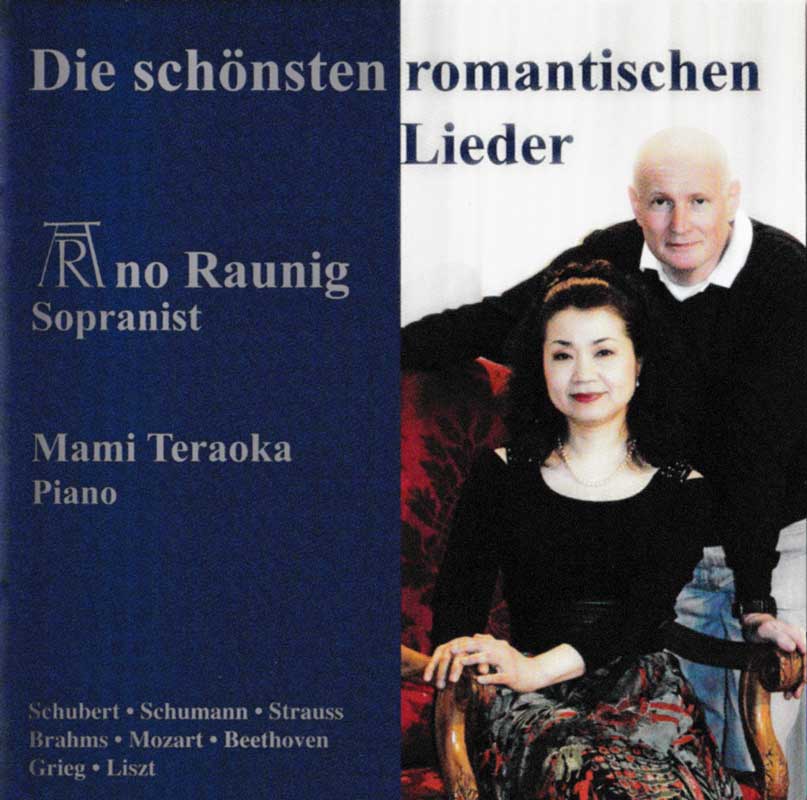
Die schönsten romantischen Lieder
The most beautiful romantic songs
Album 2011 (piano)
Recorded in the Vienna Hofburg Chapel (der Wiener Hofburgkapelle) 2011
Arno Raunig – Sopranist, Countertenor
Mami Teraoka – piano
Info:
- Schubert Franz Seligkeit
- Schumann Robert Mondnacht
- Mozart Wolfgang Amadeus Abendempfindung
- Liszt Franz Es muss ein wunderbares sein
- Schubert Franz Ständchen
- Schumann Robert Widmung
- Schubert Franz Der Neugierige
- Beethoven Ludwig van Ich liebe Dich
- Schubert Franz Der Lindenbaum (Am Brunnen vor dem Tore)
- Schumann Robert Der Nussbaum
- Schubert Franz Frühlingsglaube
- Schubert Franz Auf dem Wasser zu singen
- Schubert Franz Die Forelle
- Grieg Edvard Solvejgs Lied
- Brahms Johannes Wiegenlied
- Schubert Franz Ave Maria
- Strauss Richard Zueignung
Solvejgs Lied, Peer Gynt Suite, Edvard Grieg
Arno Raunig male-soprano.
(Henrik Ibsen, Peer Gynt)
Album: Arno Argos Raunig "Die schönsten romantischen Lieder.
The most Beautiful and Romantic songs"
超级男男性女高音歌手音 人类嗓音的极限
世界最高音──世界上最誇張的廣告
奧地利歌手罗斯高音男歌手
日本紹介の超高音
「感動・奇跡の声」
Categories: Albums, CDs
Tags: Contemporary music, Countertenor, Zehm Norbert.
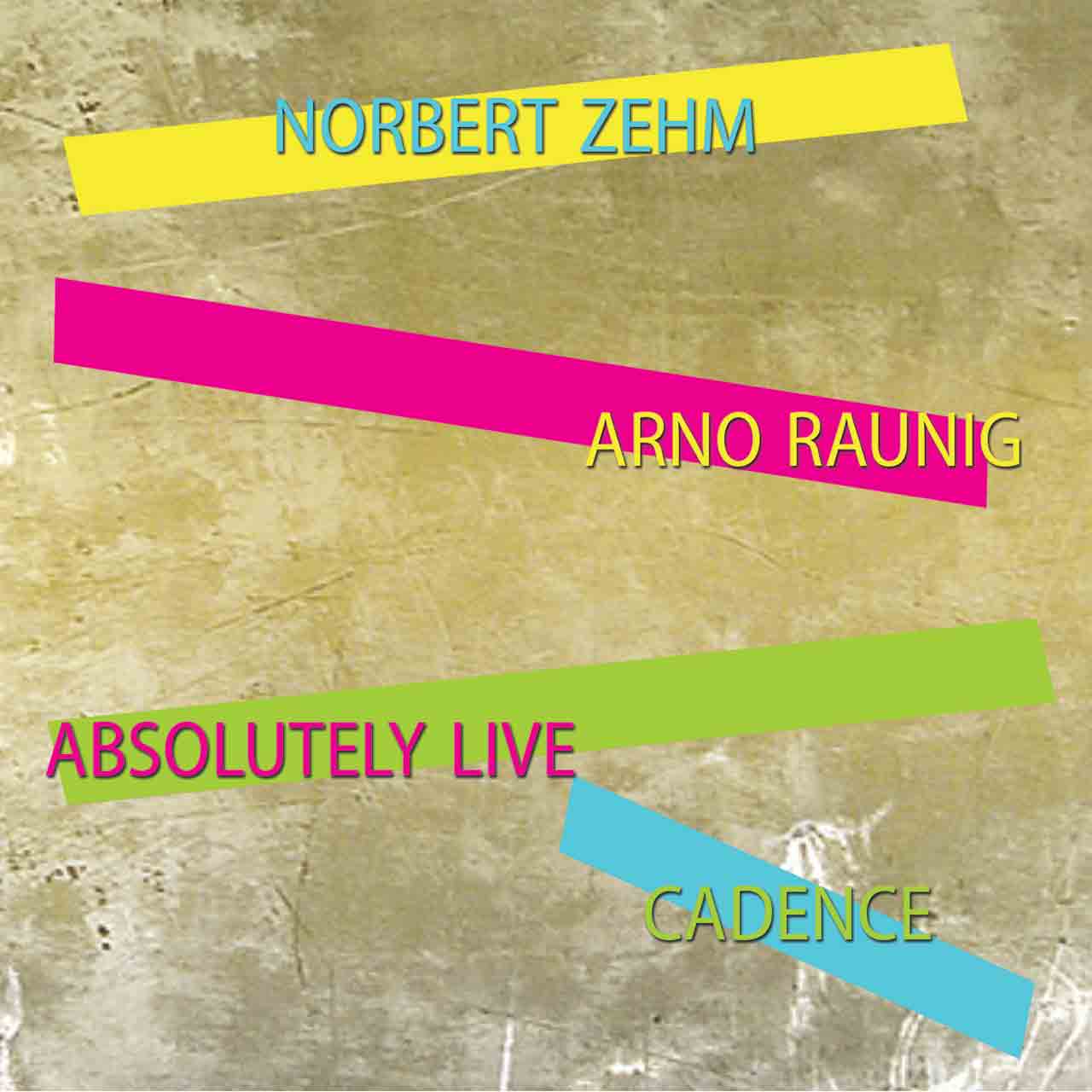
Cadence. Absolutely live
Norbert Zehm, Arno Raunig
Album 2017,
(Life. Norbert Zehm und Arno Raunig in Concert)
Recorded in the Vienna Hofburg Chapel (der Wiener Hofburgkapelle) 2011
Arno Raunig – Sopranist, Countertenor
Mami Teraoka – piano
Info:
- Norbert Zehm, text & vocal Arno Raunig Tränen der Nacht
- Norbert Zehm, Peter Wolf, vocal Arno Raunig Be someone (from the Opera ”Cadence Macbeth”)
- Norbert Zehm, Peter Wolf, vocal Arno Raunig The ace (from the Opera ”Shadow Lear”)
- Norbert Zehm, Peter Wolf, vocal Arno Raunig The year (from the Opera ”Cadence Macbeth”)
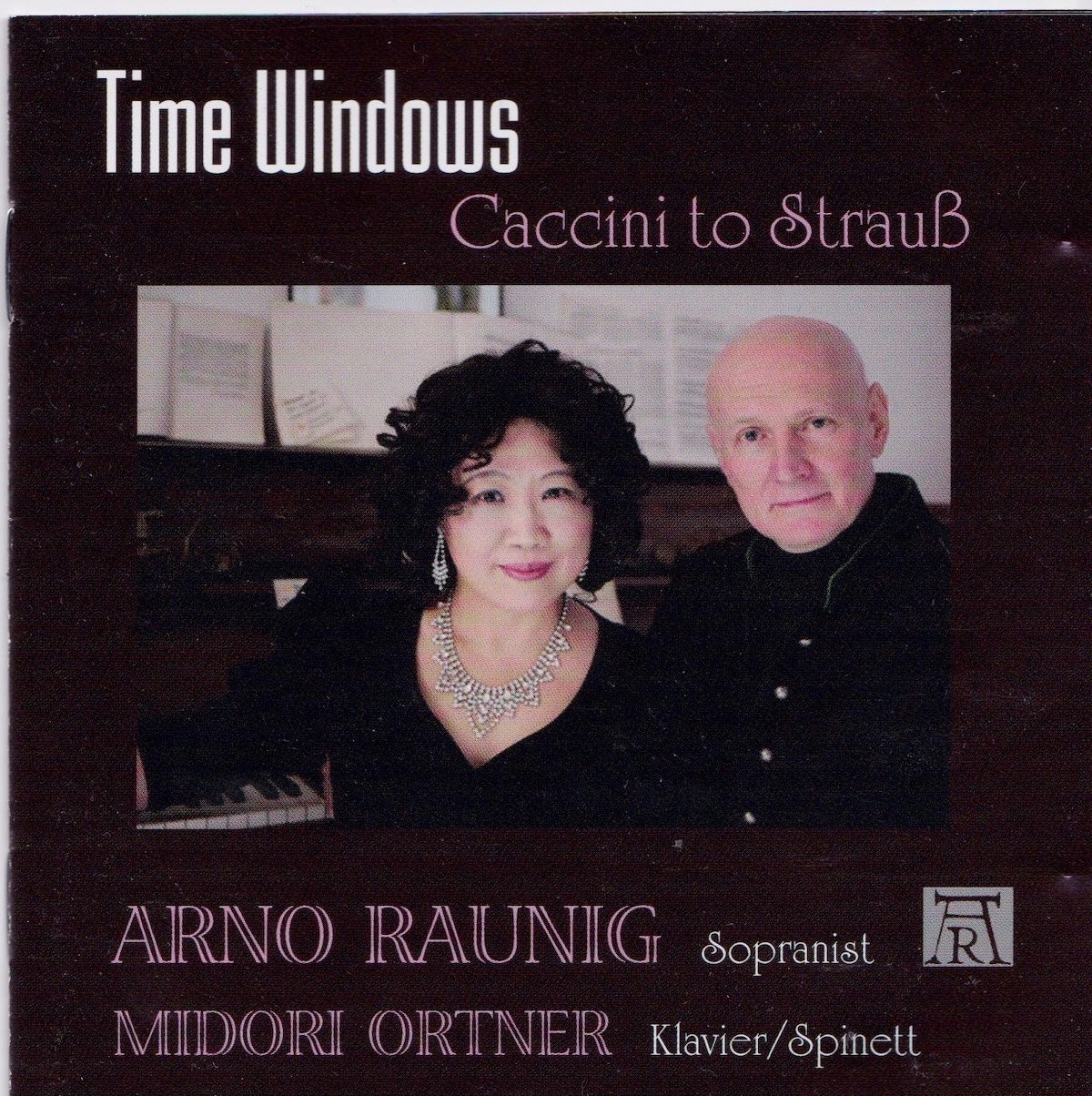
- Norbert Zehm, Peter Wolf, vocal Arno Raunig Time windows (from the Symphonie ”Machines”)
- Norbert Zehm Donauwalzer ”So blau an der Donau”
- Norbert Zehm, Henry F. Triet, vocal Arno Raunig Liebesillusionen - Wirklicher als Meere
- Norbert Zehm, Henry F. Triet, vocal Arno Raunig Liebesillusionen - Schaukelnder Steg
- Norbert Zehm Earth Talk (from ”messages of the Corn Circles”)
- Norbert Zehm, Norbert Zehm Frequencies Need Space
music by Norbert Zehm & lyrics by Arno Raunig
Intro: Improvisation by Kate Shortt over “My funny Valentine” (original song by Richard Rodgers & Lorenz Hart)
Arno Raunig (Sopranist)
Martin Yavryan (Violine)
Kate Shortt (Violoncello)
Norbert Zehm (Klavier / Keyboards)
Tiroler Landesmuseum Ferdinandeum, Live, 2018


Categories: Books
Tags: book, Caffarelli, Farinelli, Senesino...
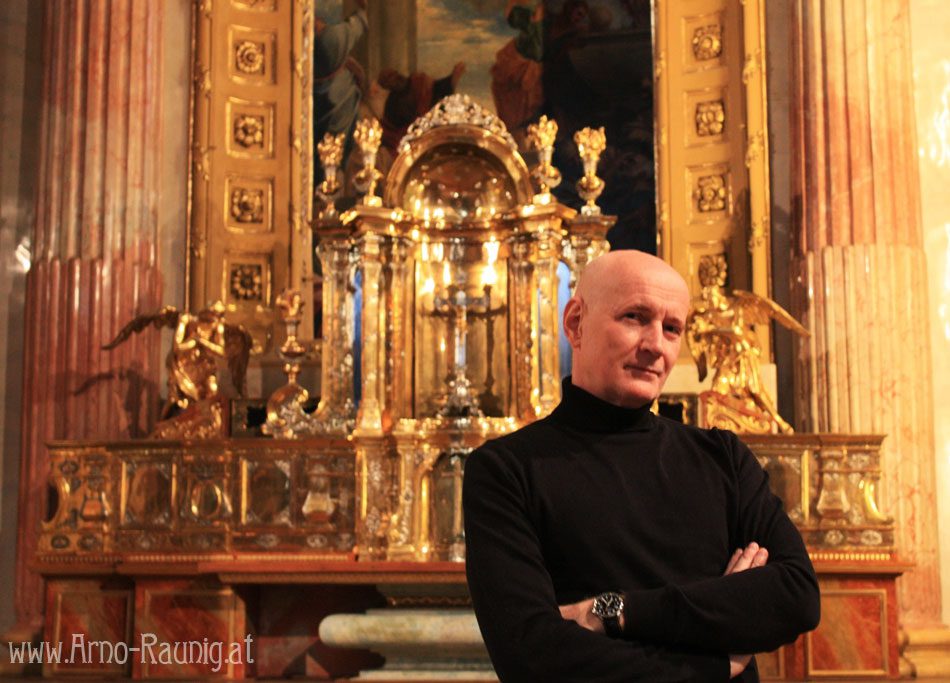
Von Kastraten und Countertenören
Arno Raunig
Arno Raunig: Von Kastraten und Countertenören. Raunig, Austria 2008, ISBN 978-3-9503781-0-8.
A scientific book about the voices of “Castratos and Countertenors”!
All about this extraordinary voices and life through 300 Years.
Info:
Der Autor, selbst Sänger – Praktiker also – weiß, wovon er spricht, wenn er über Möglichkeiten und Grenzen seiner Kunst berichtet, und es gelingt ihm der Spagat, untadelige Wissenschaftlichkeit in Recherche und Aussage mit leichter Lesbarkeit und allgemeiner Verständlichkeit zu vereinen. Ein Muss für jeden mit der Materie befasster Musiker ebenso wie für jeden interessierten Musikliebhaber!
Heinz Prammer (Dirigent, Komponist, Kulturmanager)
Untertitel: Das Paradies der Stimmen Eine Zeitreise durch die Welt der hohen Männerstimme
Durch Jahrtausende hat die hohe Männerstimme die Menschen in ihren Bann gezogen.Ob frühchristliche Choräle, oder hochklassischer Barockgesang, ob Popgesang oder heutiger „Countertenorgesang“ – die hohe Männerstimme war zu allen Zeiten des Musiklebens extraordinär, begehrt, verwirrend, bestechend, polarisierend und faszinierend. Ich möchte hier einen Bogen spannen zwischen „der Gesangskunst der Kastraten“, also der Hochblüte der männlichen Sopranstimmen, bis hin zur heutigen Interpretation, Darstellung und Wiedergabe alter Werke durch die Countertenorstimme und bis zum Gebrauch hoher Männerstimmen in der „Unterhaltungsmusik“, also im Pop und Rockgeschäft.
Beschreibungen dieser Sängerkastraten, Urteile von Zeitgenossen wie Casanova, Stendhal Voltaire, Dittersdorf, Carl Maria von Weber, oder auch Goethe, Wagner und Rousseau, Anekdoten über diese Sängerstars, kurze Lebensbeschreibungen und das Entstehen ihrer über drei Jahrhunderte andauernden Vormachtstellung in Oper und Kirchengesang werden hier beleuchtet. In einer komprimierten Zusammenfassung (dieses Thema ist unerschöpflich), verständlich in der Beschreibung, aktualisiert und belegt, durch alle mir erreichbaren Quellen, möchte ich mit dieser Anthologie das allgemeine Verständnis für hohe Männerstimmen fördern und alle diesbezüglichen Unklarheiten so weit es möglich ist, ausräumen. Ich werde oft gefragt: Warum nennen sie sich Sopranist? Oder sogar: Sind sie Kastrat? All diese Fragen werden geschichtlich erläutert und für die heutige Zeit aufgelöst.
Auf der einen Seite mussten diese Stimmen wie Frauenstimmen geklungen haben, da das Publikum sie auf den Bühnen stimmlich nicht von Frauen ( die jungen Kastraten gaben sich und wirkten körperlich auf Bühnen wie Frauen) unterscheiden konnte. Es wurden Wetten auf Sopranist oder Sopranistin abgeschlossen. Auf der anderen Seite wurden diese Kastratenstimmen als einzigartig im Klang bezeichnet. Der silbrige, reine, klare, trompetenhafte, metallische, mächtige Klang der Stimmen wurde hervorgehoben. Die berühmtesten Kastraten waren sicherlich einzigartig und sehr individuell!
Doch: heute wird geschrieben, dass keine Countertenorstimme und keine Frauenstimme an diesen Klang herankommen kann. Kann das stimmen? Als die Spagnolettis (spanische Countertenöre) die Kirchen Italiens im 16. Jhdt bevölkerten und langsam von den (echten) Kastraten abgelöst wurden, wusste der Zuhörer damals nicht zu unterscheiden – singt jetzt ein Counter oder schon ein Kastrat. Waren diese Stimmen also wirklich so unterschiedlich vom Counter? Das glaube ich nicht ganz! Die Atemdauer und Kraft möglicherweise, doch das Timbre wage ich anzuzweifeln. Die Kastraten wurden sehr individuell ausgebildet, was den Stimmklang betrifft. So wie es heute eben, Gott sei Dank, nicht mehr den „einheitlichen“ Countertenorklang der Stimmen gibt.
Categories: Books
Tags: book, Caffarelli, Farinelli, Senesino...
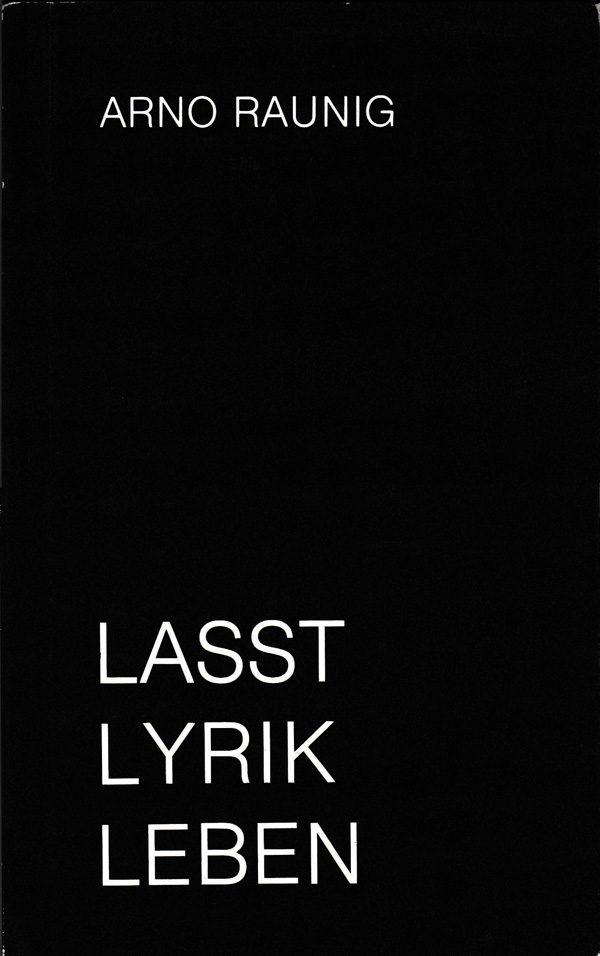
LASST LYRIK LEBEN
Arno Raunig
1984
Book: Aphorismen & Gedichte von Arno Raunig
KFM Verlag, ISBN 3-900315-13-2
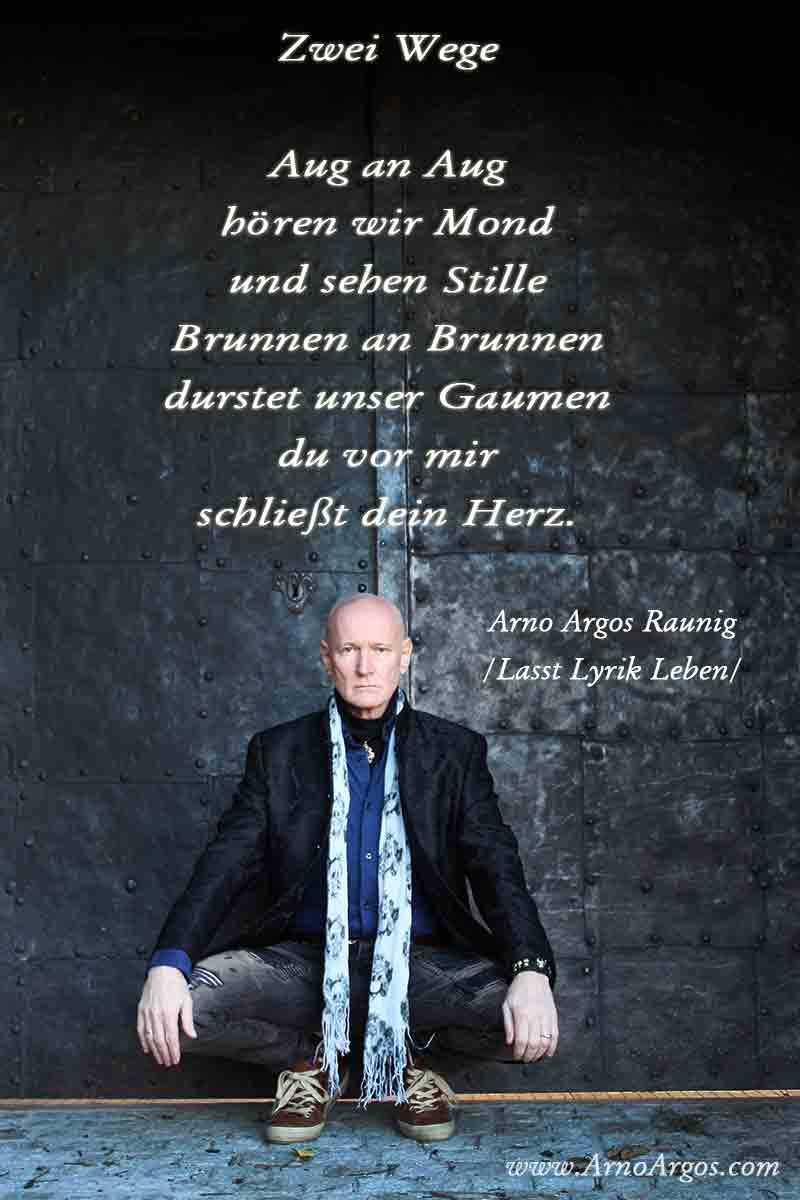
Zwei Wege
Aug an Aug
hören wir Mond
und sehen Stille
Brunnen an Brunnen
durstet unser Gaumen
du vor mir
schließt dein Herz.
Arno Raunig /Lasst Lyrik Leben/
Book: Gedichte Arno Raunig
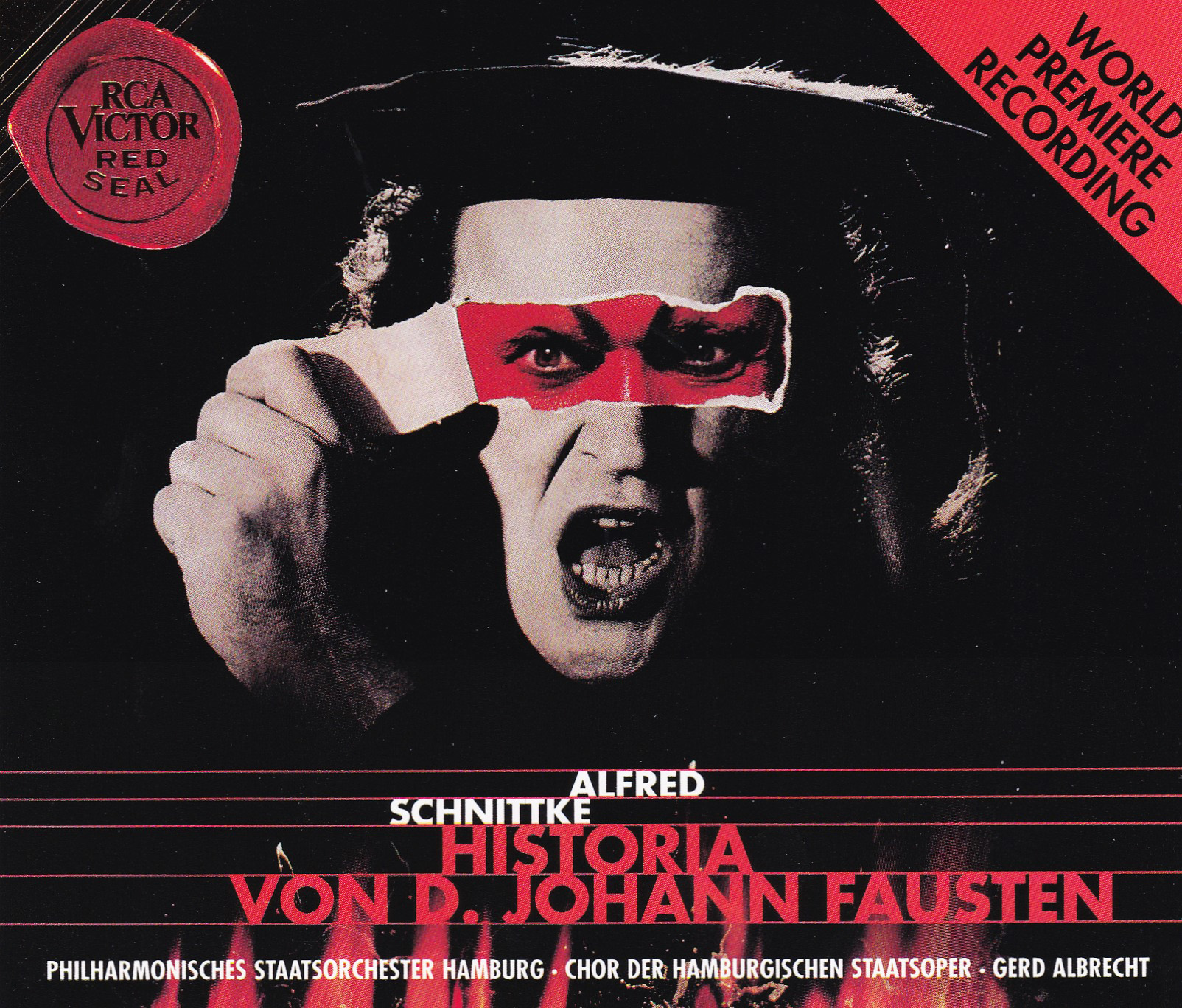
Alfred Schnittke
Historia Von D. Johann Fausten
Mephostophiles: Arno Raunig
Hamburger Staatsoper
Dirigent: Gerd Albrecht
Komponist: Alfred Schnittke
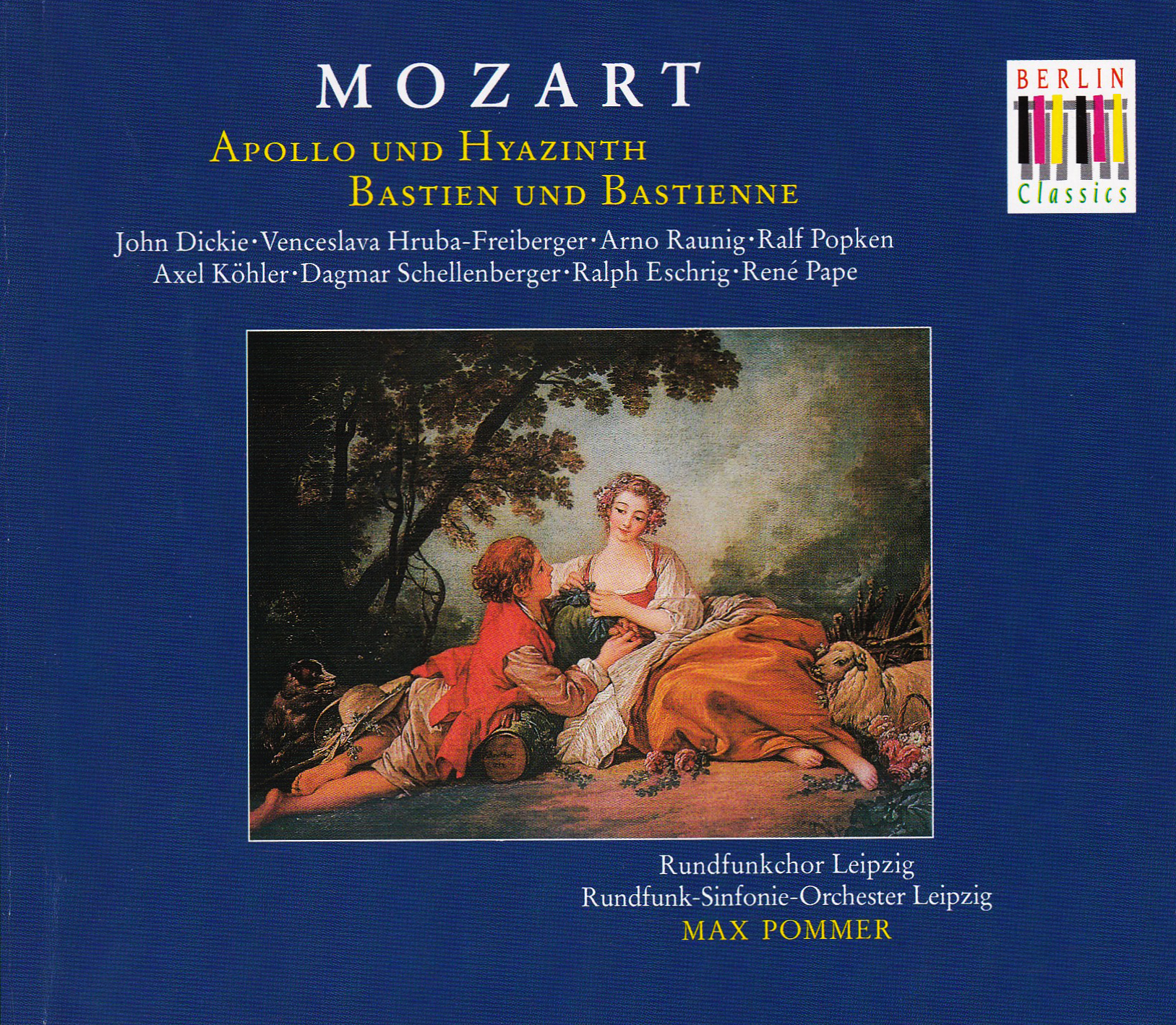
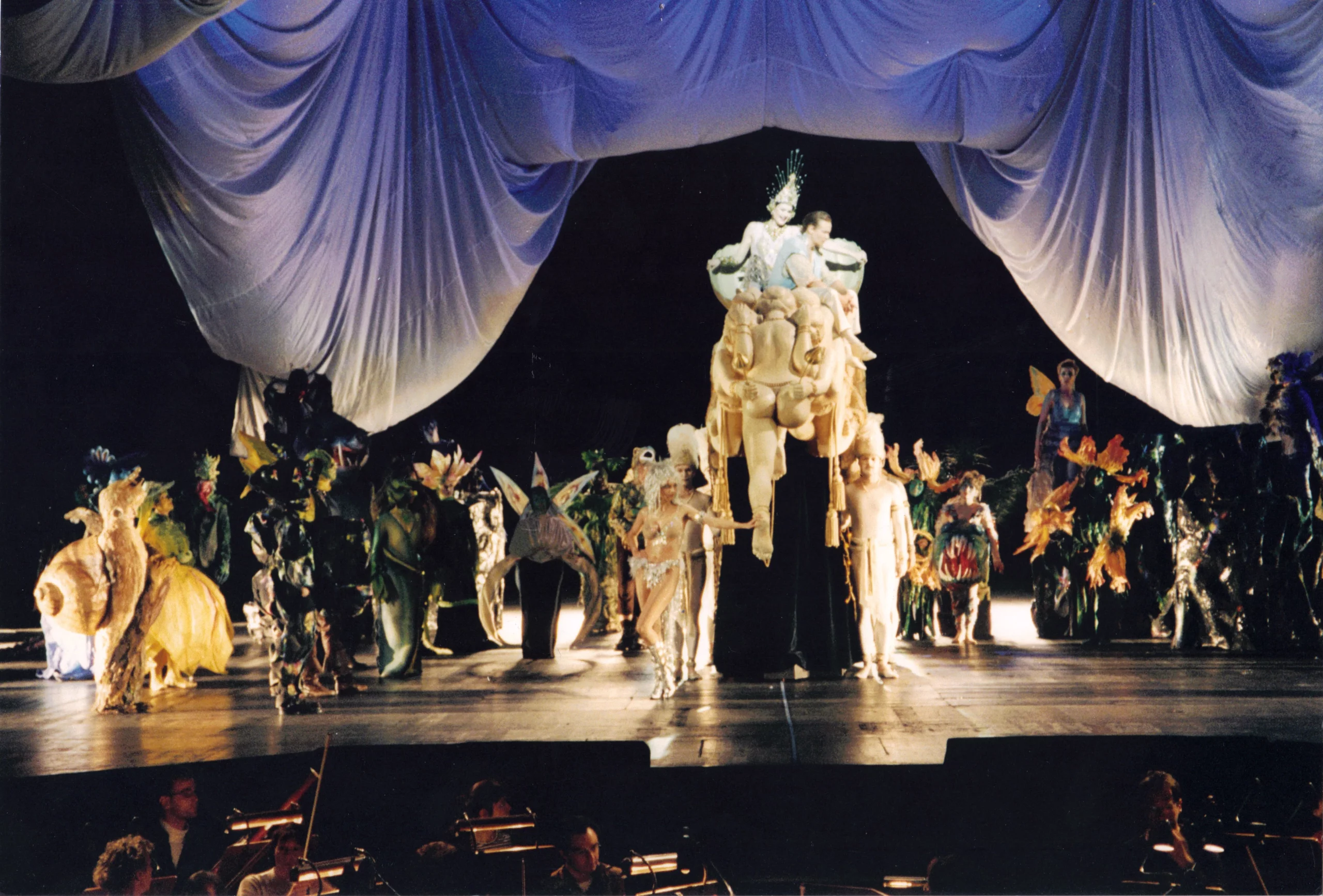
Mozart W.A.
Apollo et Hyacinthus
Hyazinth: Arno Raunig
Rundfunksinfonieorchester Leipzig
Dirigent: Max Pommer
Komponist: Wolfgang Amadeus Mozart
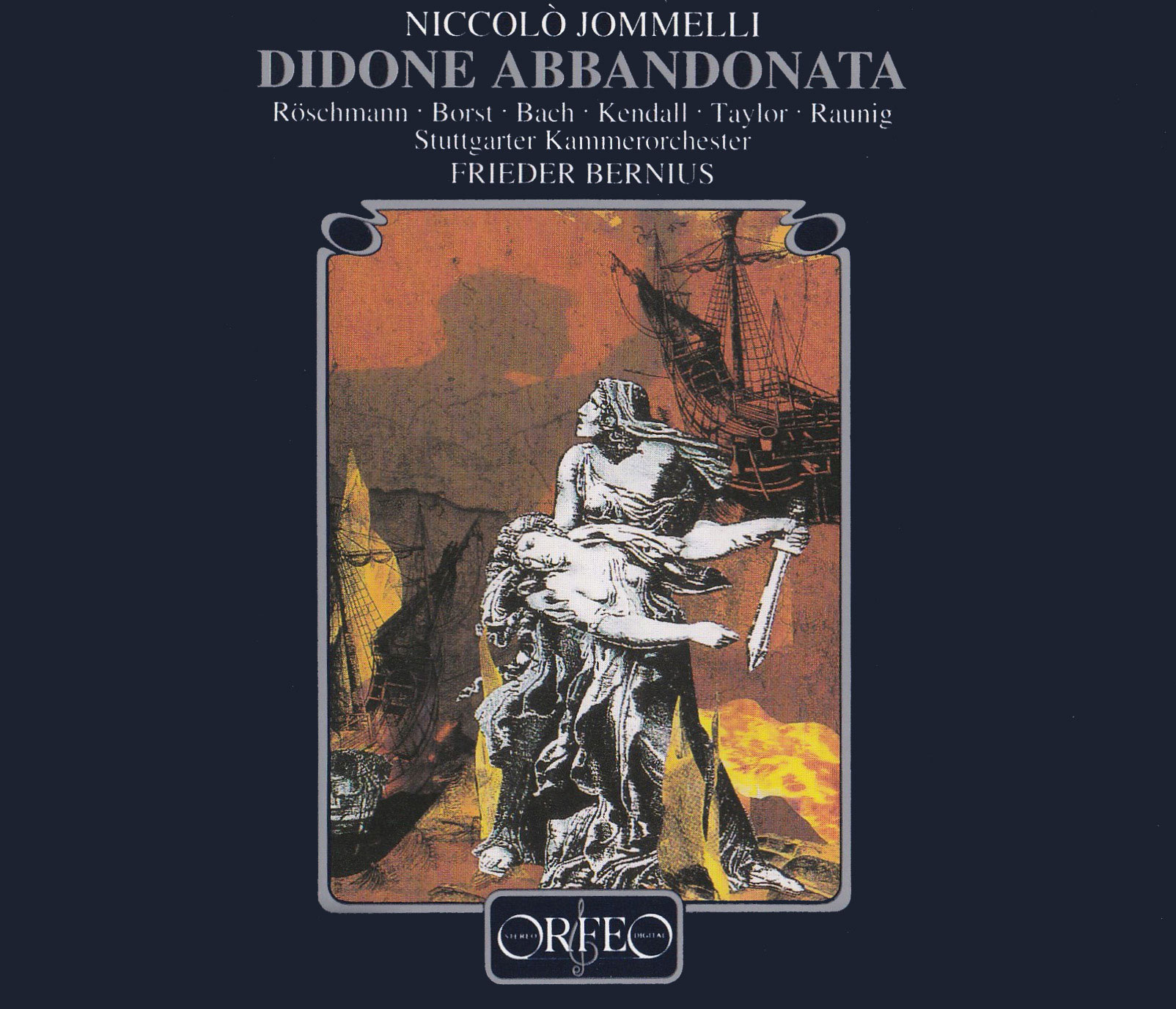
Niccolo Jommelli
Didone Abbandonata
Osmida - Arno Raunig
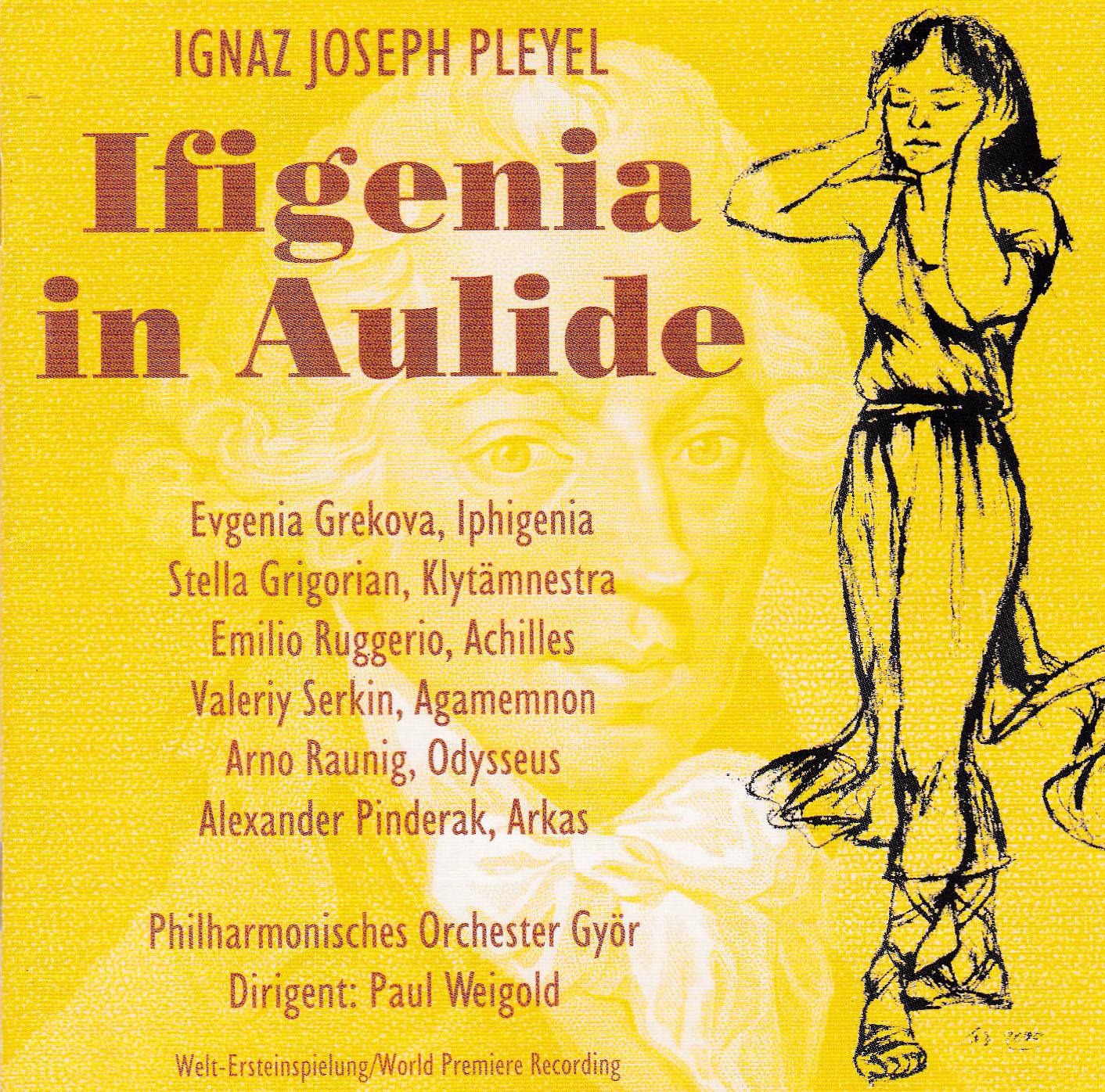
Ignaz Joseph Pleyel
Ifigenia In Aulide
Ulisse (Odysseus) - Arno Raunig
Philharmonisches Orchester Györ
Dirigent: Paul Weigold
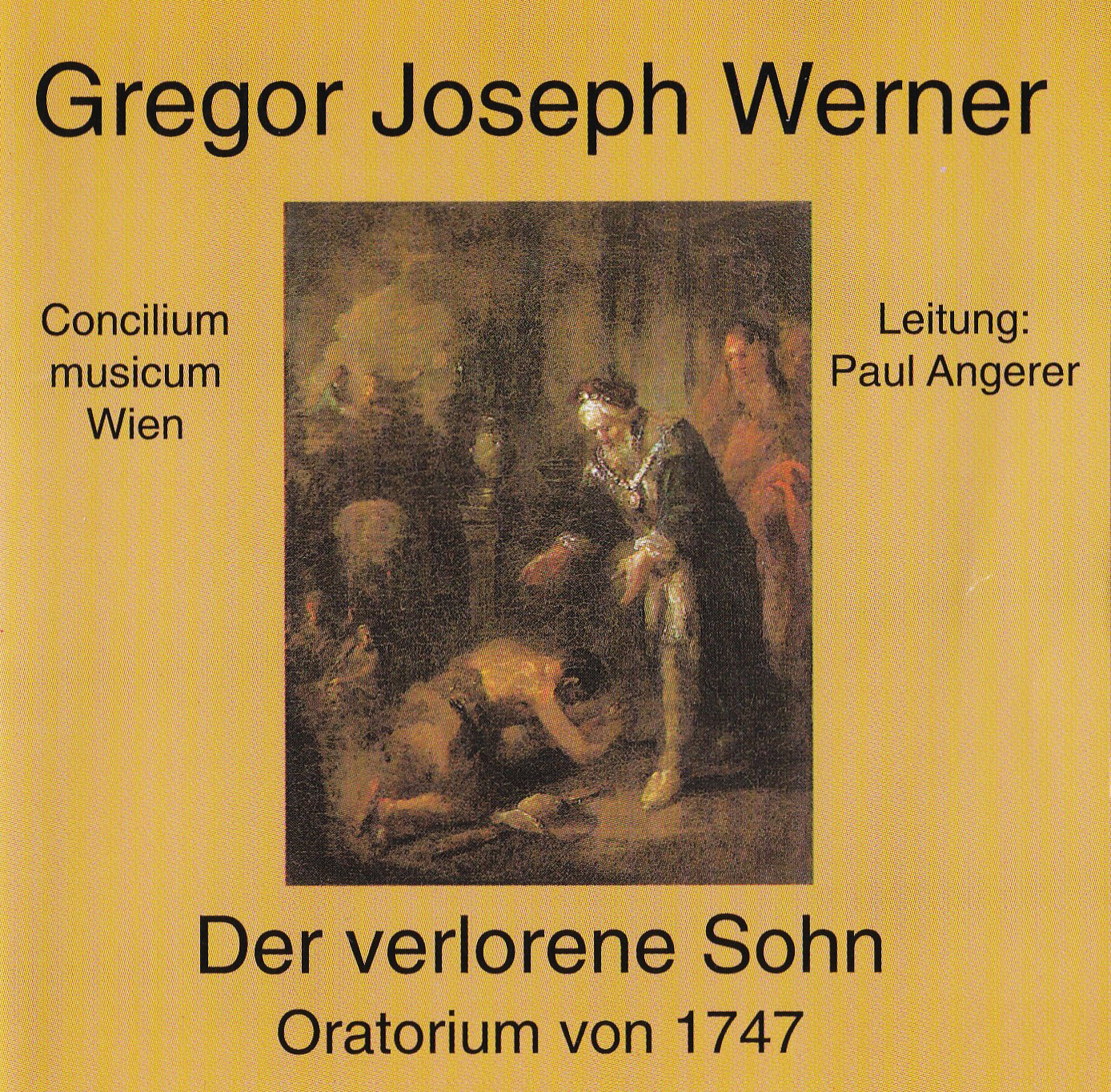
Gregor Joseph Werner
Der Verlorene Sohn
Der verlorene Sohn [vS] : Arno Raunig (countertenor)
Concilium musicum Wien
Arrangement and musical direction:
Paul Angerer
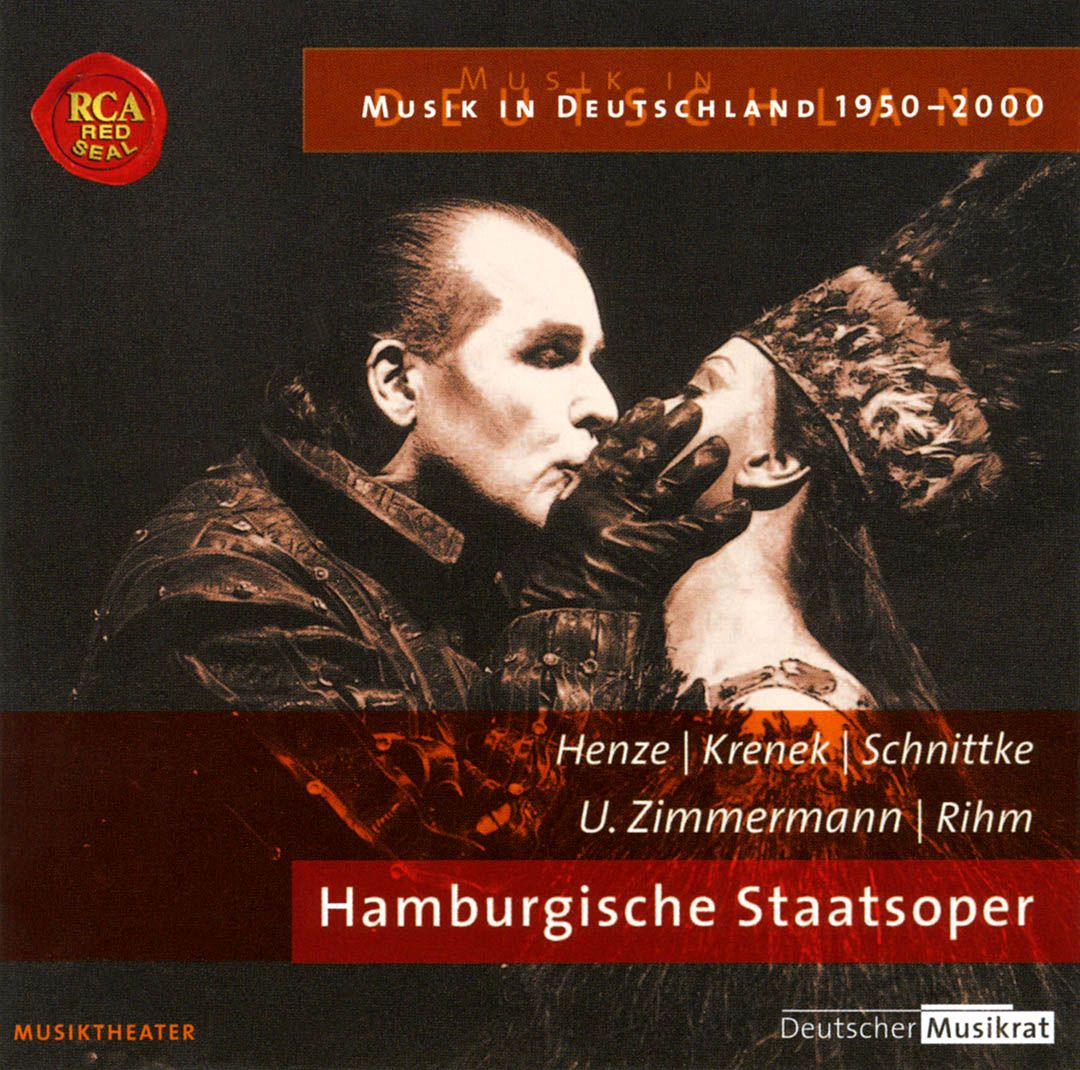
Musik in Deutschland 1950-2000
Vol. 128: Musiktheater: Hamburgische Staatsoper
Arno Raunig - Sopranist
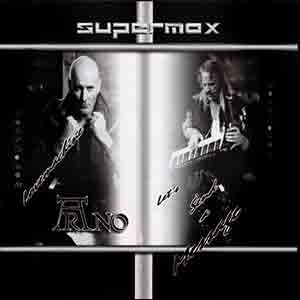
Supermax and Arno Raunig
Including a remarkable version of the World Famous Supermax Hit “Lovemachine”
performed by Kurt and Arno Raunig
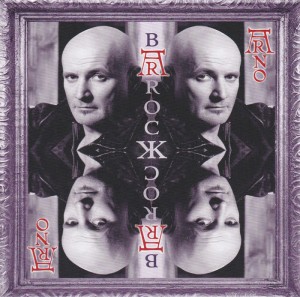
Barrock
Arno Raunig - Sopranist
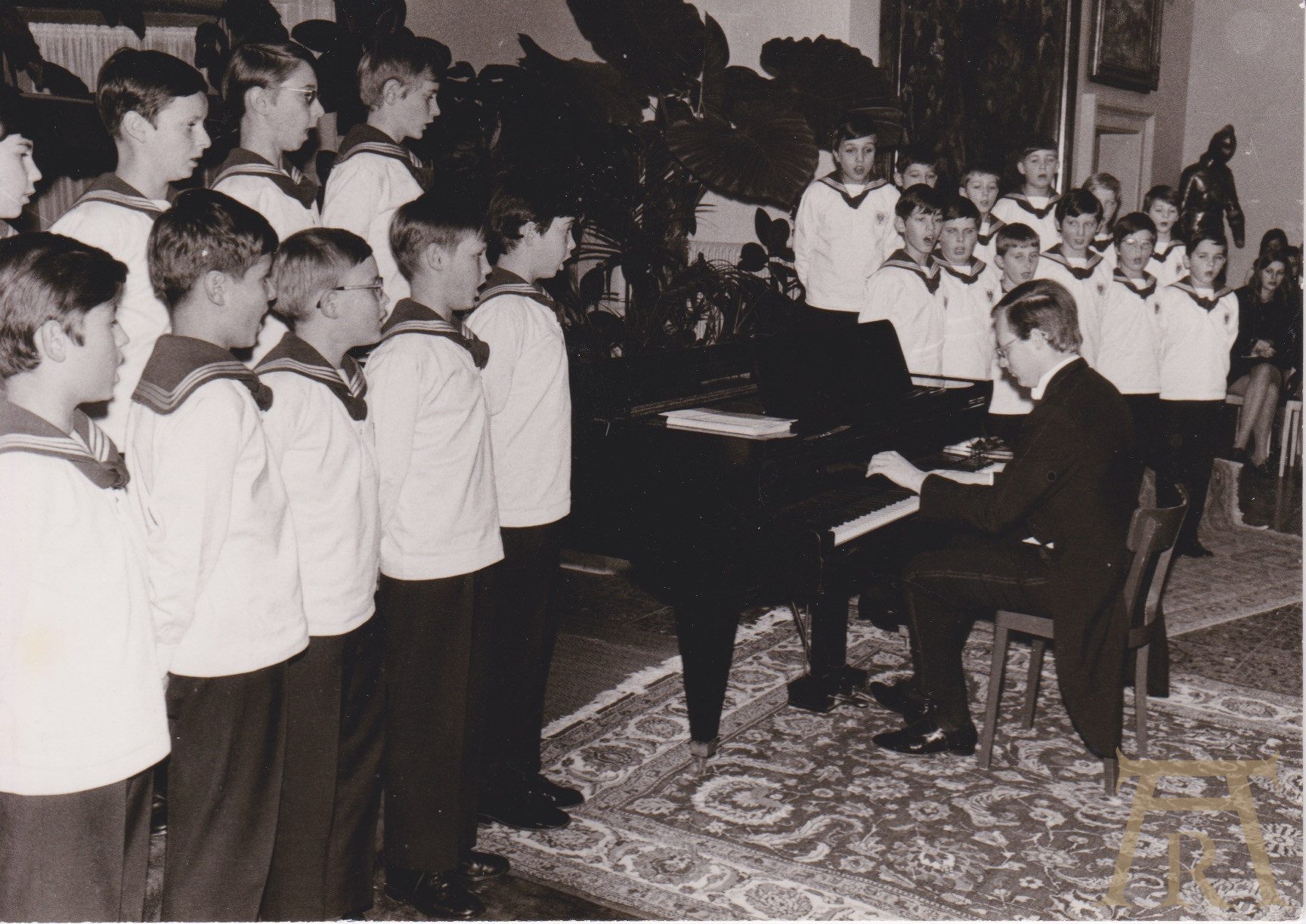
with internationalen Stars: Jose Feliciano, Supermax, Wiener Sängerknaben, Tim Pierce u.a.
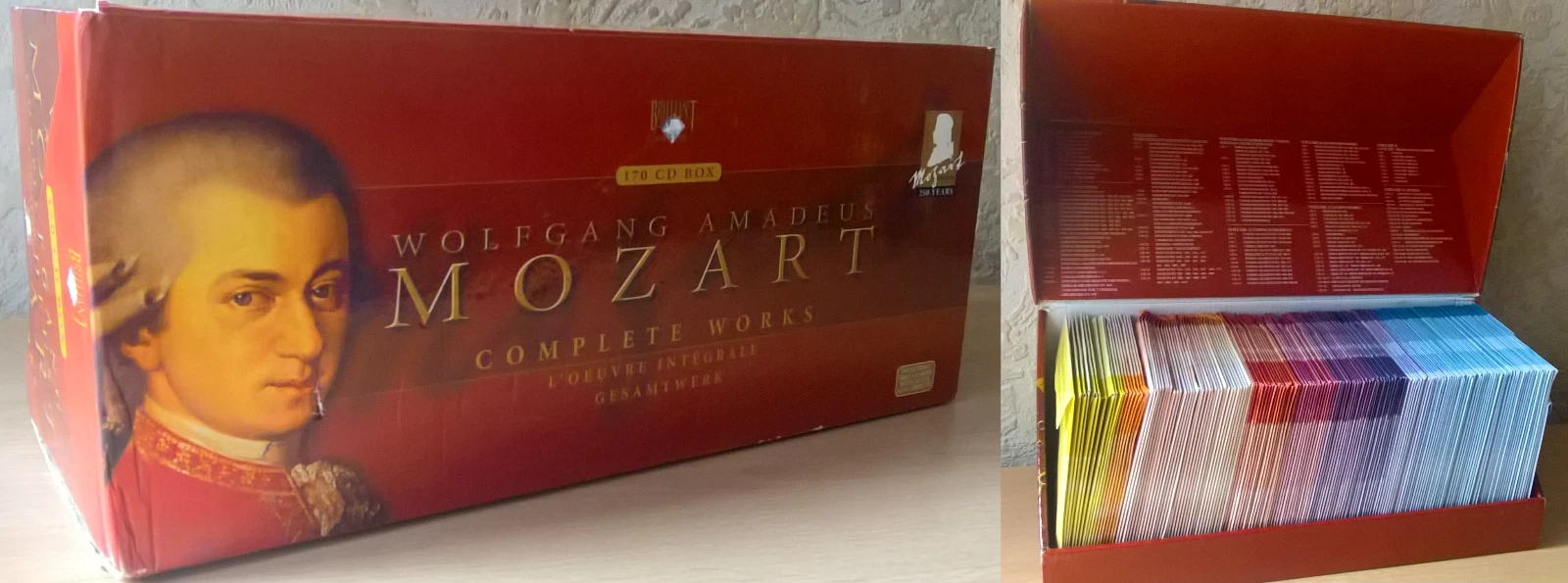
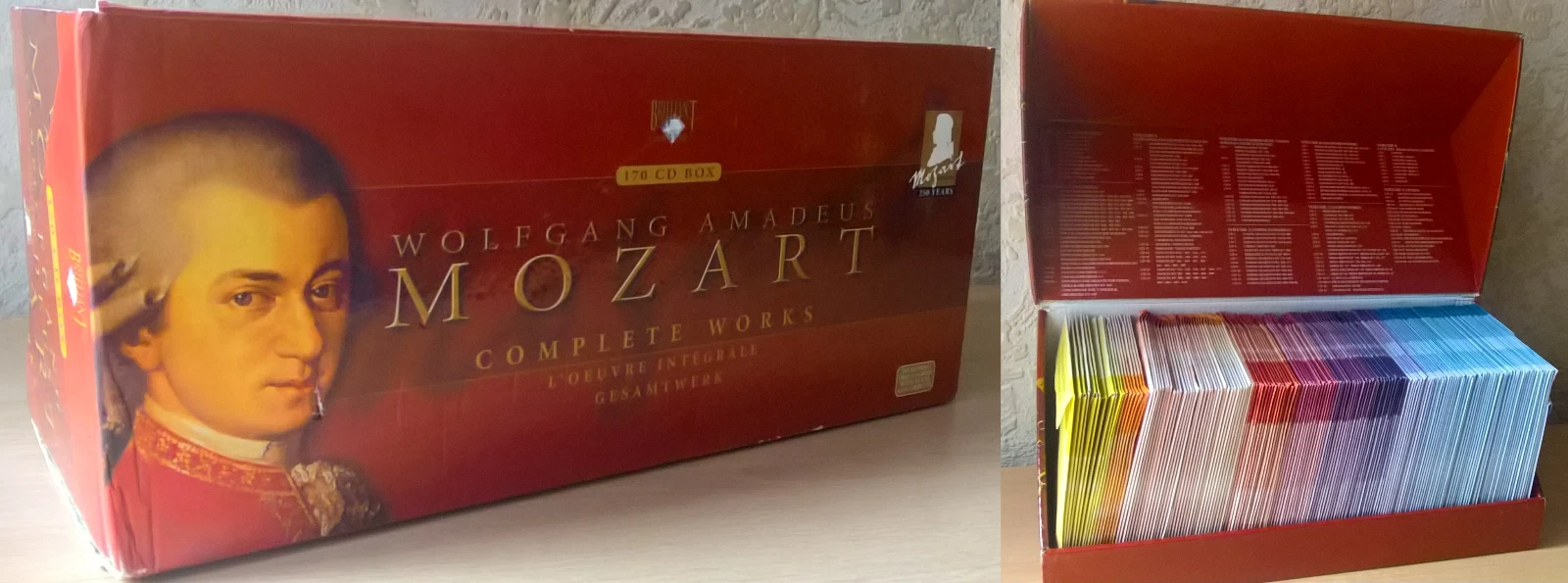
Wolfgang Amadeus Mozart - Complete Works
Arno Raunig - Sopranist
Arno Raunig, an Austrian male soprano (sopranist) and countertenor, has been involved in several recordings of Wolfgang Amadeus Mozart’s works, particularly focusing on opera arias and roles originally intended for castrati or high male voices.
- Austria
- Bela Bartok
- Germany
- Gluck
- Handel
- Hasse
- Haydn
- Hebbel Theater Berlin
- Hessisches Staatstheater Wiesbaden
- Holland
- Hungary
- Idomeneo
- Italy
- Kammeroper Wien
- Ligeti
- Midea
- Modern music
- Mozart
- Mykietyn
- Neue Oper Wien
- Öhring
- Oper Amsterdam
- Oper Bonn
- Oper Rom
- Opera
- Opera photos
- Opernhaus Zürich
- Poland
- Polidor
- Producer Arno Raunig
- Ruhrtriennale
- Schnittke
- Semperoper Dresden
- Shakespeare
- Staatsoper Hamburg
- Staatstheater Darmstadt
- Staatstheater Wiesbaden
- Stadttheater Klagenfurt
- Strasnoy
- Strauss
- Switzerland
- Teatro Argentino
- Teatro Barocco
- Teatro Caio Melisso
- Theater Basel
- Video
- Vivaldi
- Wiener Kammeroper
- word
- World Premiere